
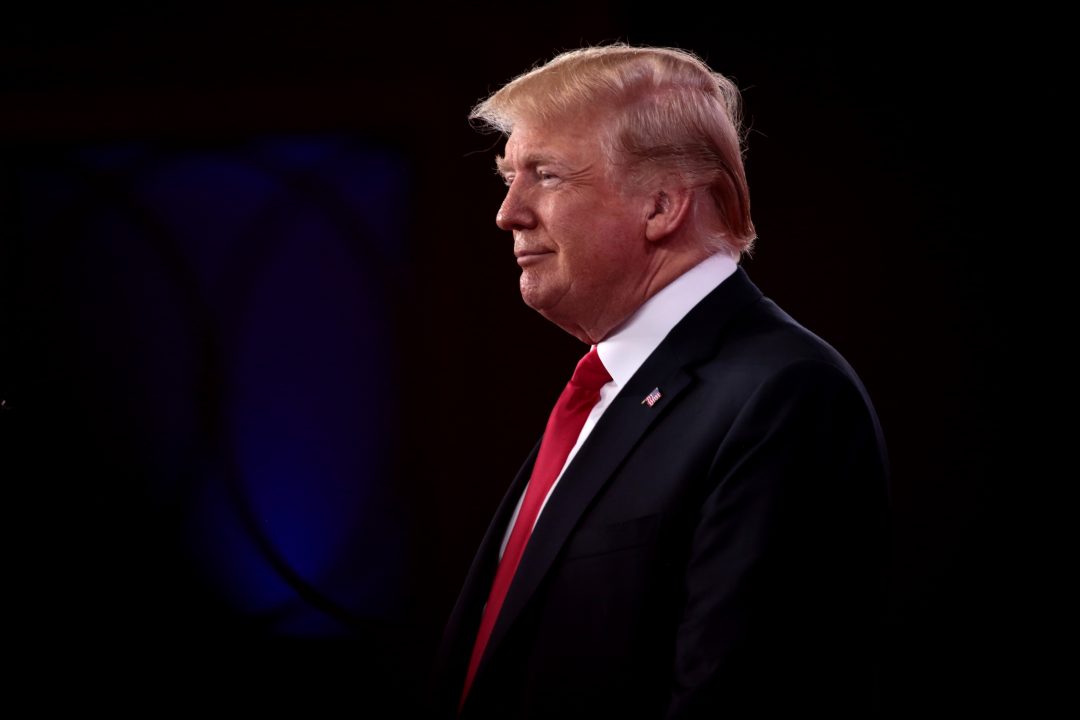
The Empire State Building’s decision to light up in red to mark Donald Trump’s victory in the 2024 presidential election sparked a wave of criticism and backlash, particularly from liberal circles. The symbolic gesture, meant to highlight the political significance of the election result, quickly ignited strong reactions on social media and beyond.
Prominent voices expressed dismay, viewing the red illumination as a polarizing move that they claimed disregarded the deep political divides in the country. Many took to platforms like X (formerly Twitter) to vent their frustration, labeling the display as insensitive and out of touch given the contentious nature of the election. Some critics argued that the iconic building’s management had taken a political stance, alienating those who opposed Trump’s policies and rhetoric.
On the other hand, supporters of the display viewed it as a celebration of the democratic process and a fitting tribute to a significant political moment. They contended that the gesture aligned with long-standing traditions of marking major national events with symbolic lighting.
The controversy over the Empire State Building’s display underscores the heightened political tensions that have characterized the recent election cycle. As debates continue over the role of symbols and public spaces in political discourse, the incident serves as yet another example of how deeply entrenched divisions shape reactions to public expressions of political milestones.