
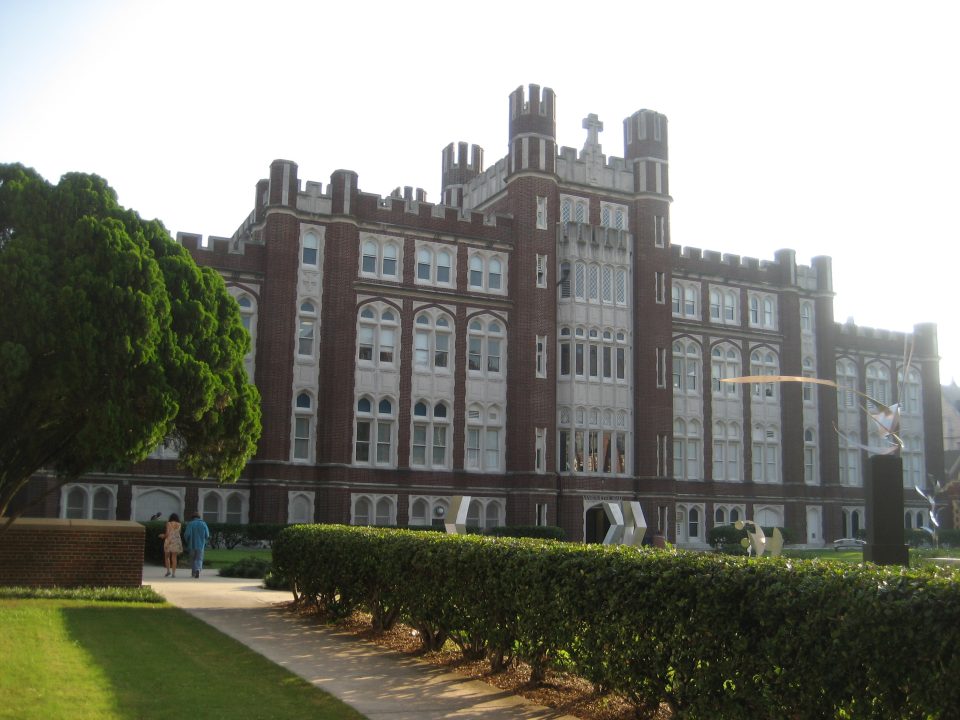
At Loyola University New Orleans, the campus student government voted on October 15 to reject an official charter for a proposed chapter of Turning Point USA (TPUSA). The decision leaves the group without access to university resources, including event space reservation and official recognition.
According to meeting minutes and local student-media coverage, the charter application was reviewed by the Student Government Association Senate after an introductory presentation by the TPUSA founders. During the session, several student senators raised concerns that TPUSA’s stated values and national reputation conflicted with Loyola’s Jesuit-Catholic mission and campus culture. One undergraduate questioned whether the group’s involvement could undermine inclusivity, pointing to remarks attributed to TPUSA’s founder.
In the weeks leading up to the vote, nearly 100 students attended the Senate hearing, some filling the chamber to capacity. Protest signage and impassioned commentary marked the public-comment portion of the meeting, reflecting deep division among under-graduates over the role of politically aligned student groups on campus.
Loyola’s chartering process requires an interested group to submit an application, hold a preliminary meeting with the vice president of student affairs and then appear before the SGA Senate for a question-and-answer session. The denial means the chapter cannot operate under the university’s umbrella; however, the committee stated that the organizers remain free to meet off-campus or register as a non-student-organization forum.
The TPUSA organizers at Loyola declined to comment publicly. University officials have also not provided a detailed explanation beyond the standard statement that all charter applications are evaluated on alignment with institutional values, financial responsibility and student demand.
Observers say the outcome may carry broader implications for campus free-speech debates—particularly as it marks another university rejecting a TPUSA chapter amid national scrutiny of conservative student organizations. Campus-rights advocates argue that denial signals ideological gatekeeping, while critics say the vote reflects legitimate community standards assessment.