
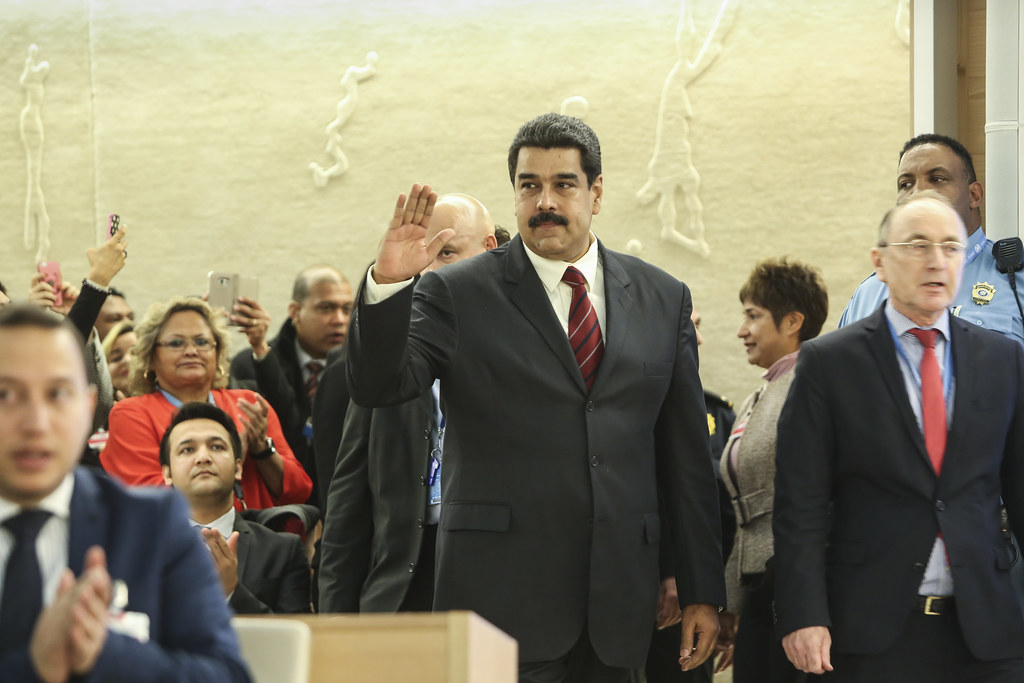
Nicolás Maduro, the deposed leader of Venezuela, appeared in a U.S. courtroom and pleaded not guilty to charges brought against him following his capture by American forces.
During the hearing, Maduro contested the circumstances of his detention, characterizing it as a kidnapping by U.S. agents rather than a lawful arrest. He forcefully rejected the accusations in the indictment and insisted that the process used to bring him into U.S. custody was illegitimate.
Maduro’s legal team entered formal not-guilty pleas on his behalf, setting the stage for a protracted legal battle in U.S. courts. Prosecutors have accused him of a range of offenses tied to corruption, narcotics trafficking, and other serious crimes, though specific charges and evidence will unfold through pretrial proceedings.
The courtroom exchange was tense, with Maduro speaking directly to the judge and challenging the validity of the case. His comments reflect a broader dispute over sovereignty and international law following the extraordinary operation that brought him to the United States.
U.S. authorities maintained control of the proceedings, focusing on legal protocol and ensuring the defendant’s rights were observed. The judge set future dates for hearings and outlined steps for document exchange and pretrial motions.
Maduro’s assertions in court add a dramatic chapter to his unprecedented presence in the U.S. justice system, marking the first time a former head of state has faced such proceedings on American soil. The case is likely to draw sustained attention as it moves through the legal process and raises complex questions about jurisdiction, international conduct, and accountability.