
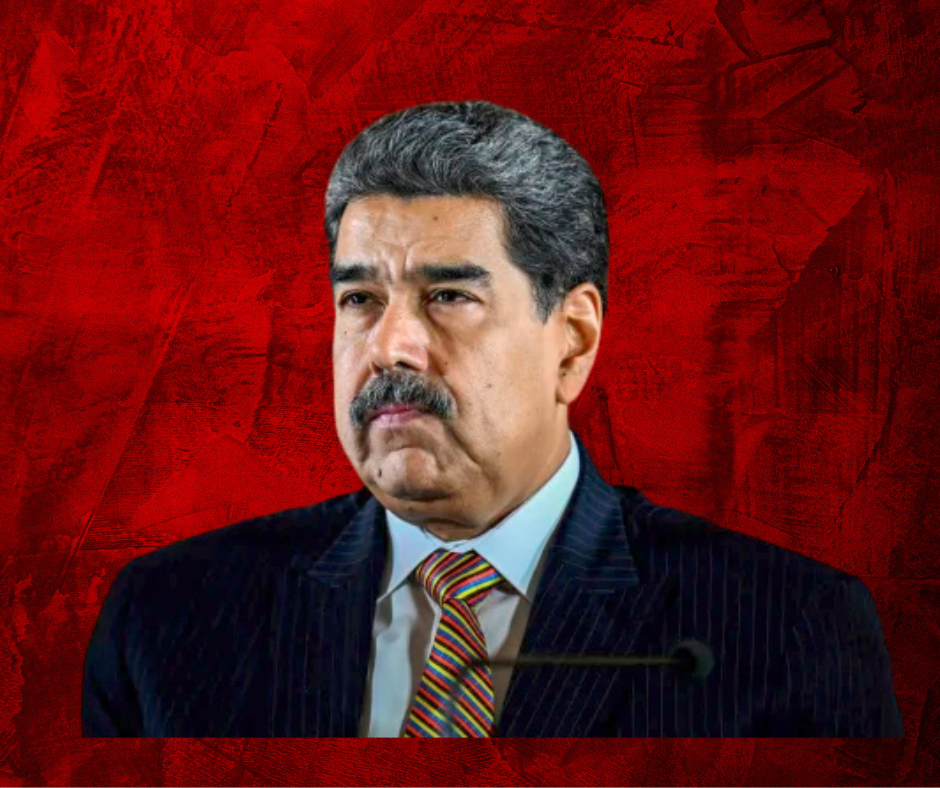
Venezuelan President Nicolás Maduro is left with few viable ways to respond after the Trump administration seized a Venezuelan oil tanker, a move that significantly escalated pressure on his government’s already strained economy.
US officials said the tanker seizure was carried out under existing sanctions and maritime enforcement laws, targeting oil shipments tied to Venezuela’s state-run energy sector. The action deprived Caracas of a valuable cargo at a time when oil exports remain a critical source of revenue for the Maduro government.
Analysts note that Maduro’s ability to retaliate is constrained by Venezuela’s weakened economy, international isolation, and limited leverage against the United States. Potential responses such as legal challenges, diplomatic protests, or appeals to allied nations are viewed as largely symbolic rather than impactful.
The seizure also sends a broader signal about the Trump administration’s willingness to aggressively enforce sanctions and disrupt revenue streams linked to sanctioned regimes. US officials have emphasized that similar actions could follow if sanctions evasion continues.
As tensions remain high, the incident highlights the imbalance between Washington’s enforcement capabilities and Caracas’ restricted options, leaving Maduro with little room to respond without risking further economic or diplomatic consequences.