
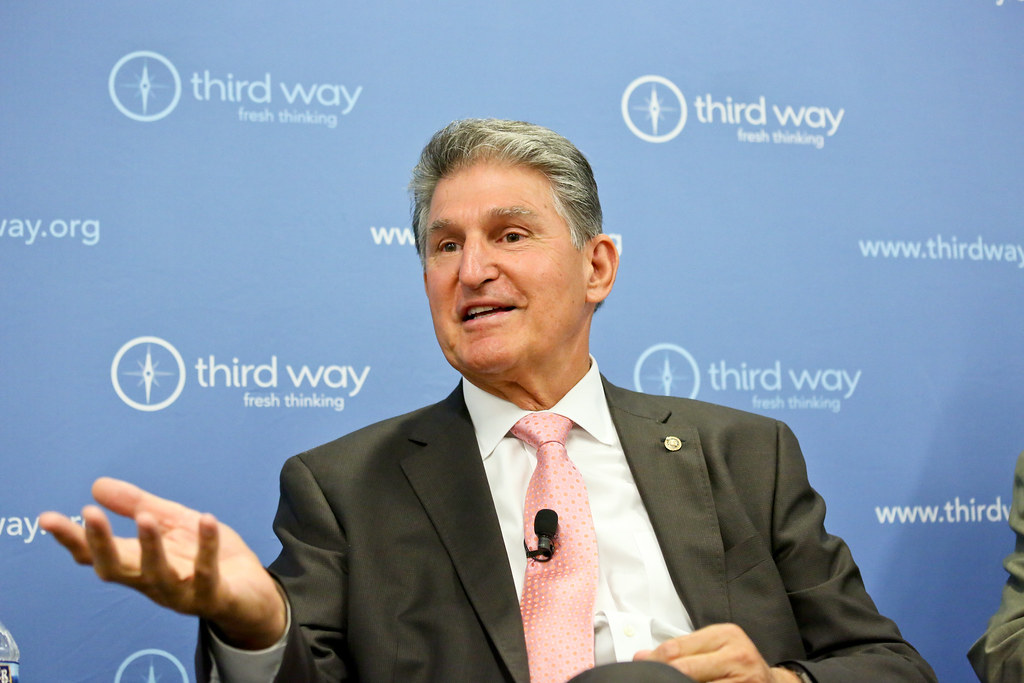
Senator Joe Manchin has confirmed that he will not be endorsing Vice President Kamala Harris, citing her stance on eliminating the Senate filibuster as the key reason for withholding his support. Manchin, a centrist Democrat from West Virginia, has long been a defender of the filibuster, viewing it as a critical tool for maintaining bipartisanship and protecting the rights of the minority party in the Senate.
Speaking to reporters, Manchin expressed concern that Harris’s position on the filibuster would lead to greater division and erode the foundational principles of the Senate. “I cannot support anyone who is willing to dismantle the guardrails that keep the Senate functioning as a deliberative body,” Manchin said, emphasizing the need for consensus and cooperation in passing legislation.
Harris, who has expressed support for eliminating the filibuster in order to advance key Democratic priorities such as voting rights and climate change legislation, has faced opposition from moderate members of her own party, including Manchin. The filibuster, which requires a 60-vote threshold to advance most legislation, has been a major sticking point in recent debates over legislative reform.
Manchin’s refusal to endorse Harris underscores the ongoing divide within the Democratic Party over how to navigate legislative gridlock in the closely divided Senate. While progressives argue that the filibuster stands in the way of critical reforms, moderates like Manchin warn that eliminating it would set a dangerous precedent, allowing whichever party holds the majority to push through its agenda unchecked.
Despite his refusal to back Harris, Manchin stressed that his decision was based solely on the filibuster issue and that he continues to support many of the administration’s policies. However, his stance could complicate Harris’s efforts to rally broader support within the Democratic Party as the 2024 election approaches.
As debates over Senate procedure continue, Manchin’s position highlights the broader challenge facing the Democratic Party: balancing the push for bold legislative action with the need to preserve Senate traditions that require bipartisan cooperation.