
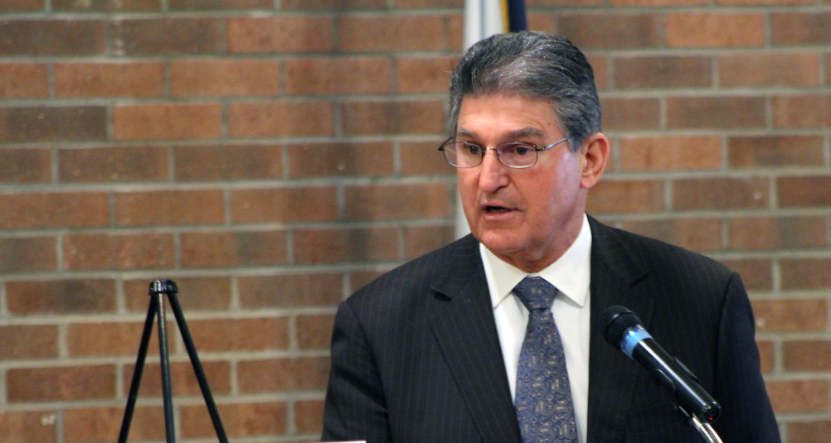
Senator Joe Manchin’s recent announcement of his retirement from the Senate has significantly altered the political landscape in West Virginia, leaving Democrats in a precarious position. Manchin, a key figure in the Senate, has been known for his conservative stance within the Democratic Party, often clashing with its progressive wing.
Manchin’s decision, revealed last Thursday, has sent ripples through Capitol Hill and is perceived as a severe setback for the Democratic presence in state-wide offices in West Virginia. His retirement is seen as paving the way for a likely Republican gain in a state that has shown strong support for former President Trump in the past two presidential elections.
Throughout President Biden’s tenure, Manchin has increasingly distanced himself from the Democratic Party’s progressive agenda. In December 2021, he notably opposed Biden’s $2.2 trillion Build Back Better package, a move that drew criticism from progressive Democrats like Representative Alexandria Ocasio-Cortez of New York. Ocasio-Cortez had previously cautioned against prioritizing the bipartisan infrastructure bill over the Build Back Better plan, a stance that gained attention following Manchin’s opposition.
According to FiveThirtyEight, Manchin’s alignment with Biden’s policies has significantly dwindled, with him voting in line with the President’s position only about 21% of the time in the current Congress. This has bolstered Republican confidence that Manchin’s departure will further strengthen their position in the state.
Steve Daines, the Chair of the National Republican Senatorial Committee (NRSC) from Montana, expressed optimism about the Republicans’ prospects in West Virginia following Manchin’s announcement. GOP strategist Doug Heye, speaking to Fox News Digital, interpreted the NRSC’s brief statement as a clear indication of their positive outlook for the upcoming Senate race in West Virginia.
While Manchin’s exit could potentially jeopardize the Democrats’ Senate majority, it also presents an opportunity for Republicans, who now need to secure just one more vulnerable Democratic seat to gain control. Manchin has been a thorn in the side for Democrats on several fronts, including his opposition to some of Biden’s more progressive nominees and policies, particularly regarding environmental and labor issues.
As for Manchin’s future plans, speculation abounds, particularly in light of his intention to explore the creation of a movement focused on unifying the political center. His commitment to fostering unity and bringing Americans together has raised questions about his potential aspirations beyond the Senate, possibly even as a challenger to President Biden in the next presidential race.