
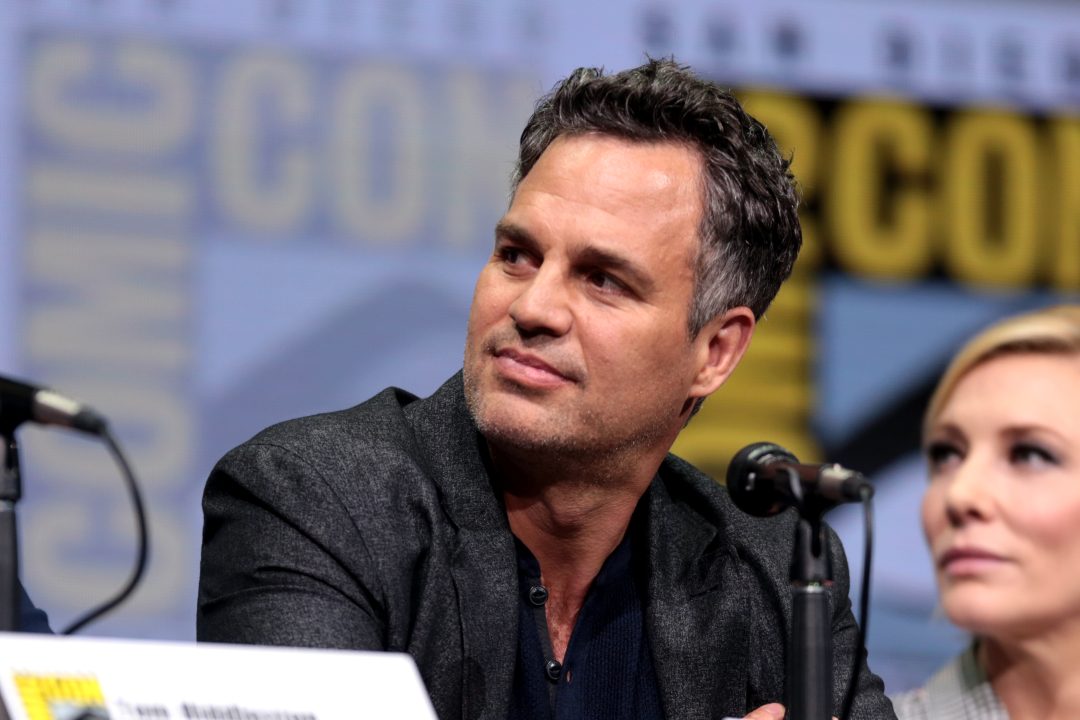
Actor Mark Ruffalo recently faced criticism for sharing AI-generated fake images of former President Donald Trump on social media. The images, which falsely depicted Trump surrounded by young girls on Jeffrey Epstein’s plane, were later identified as fabrications by users of Elon Musk’s X platform. Ruffalo, known for his role in the “Avengers” series, initially posted the images on January 4, commenting on the alleged presence of Trump on Epstein’s flights.
The authenticity of the images was quickly questioned by X users, who pointed out inconsistencies such as a partially blurred jacket on Trump and a missing arm on one of the girls, along with distorted shadows. Ruffalo acknowledged his mistake in a subsequent post, apologizing for sharing the AI fakes. However, he shifted the blame to X CEO Elon Musk, accusing him of allowing the spread of disinformation on the platform.
Ruffalo’s apology came with a critique of Musk’s management of X, linking to a Business Insider article from October 2023 that reported a significant decline in the platform’s value since Musk’s takeover. Musk responded to the incident indirectly, replying to other users’ comments about Ruffalo’s mistake, suggesting that the actor struggles with accepting responsibility.
The incident highlights the ongoing issue of disinformation and the challenges in discerning real from fake content on social media platforms. Ruffalo, an outspoken critic of various political and social issues, including climate change and capitalism, has previously targeted Trump in his activism. He has labeled Trump as a significant threat to climate change efforts and called for his removal from office following the January 6 Capitol riot.
The controversy surrounding the shared images underscores the complexities and responsibilities of public figures in using their platforms, particularly in the politically charged environment of social media.