
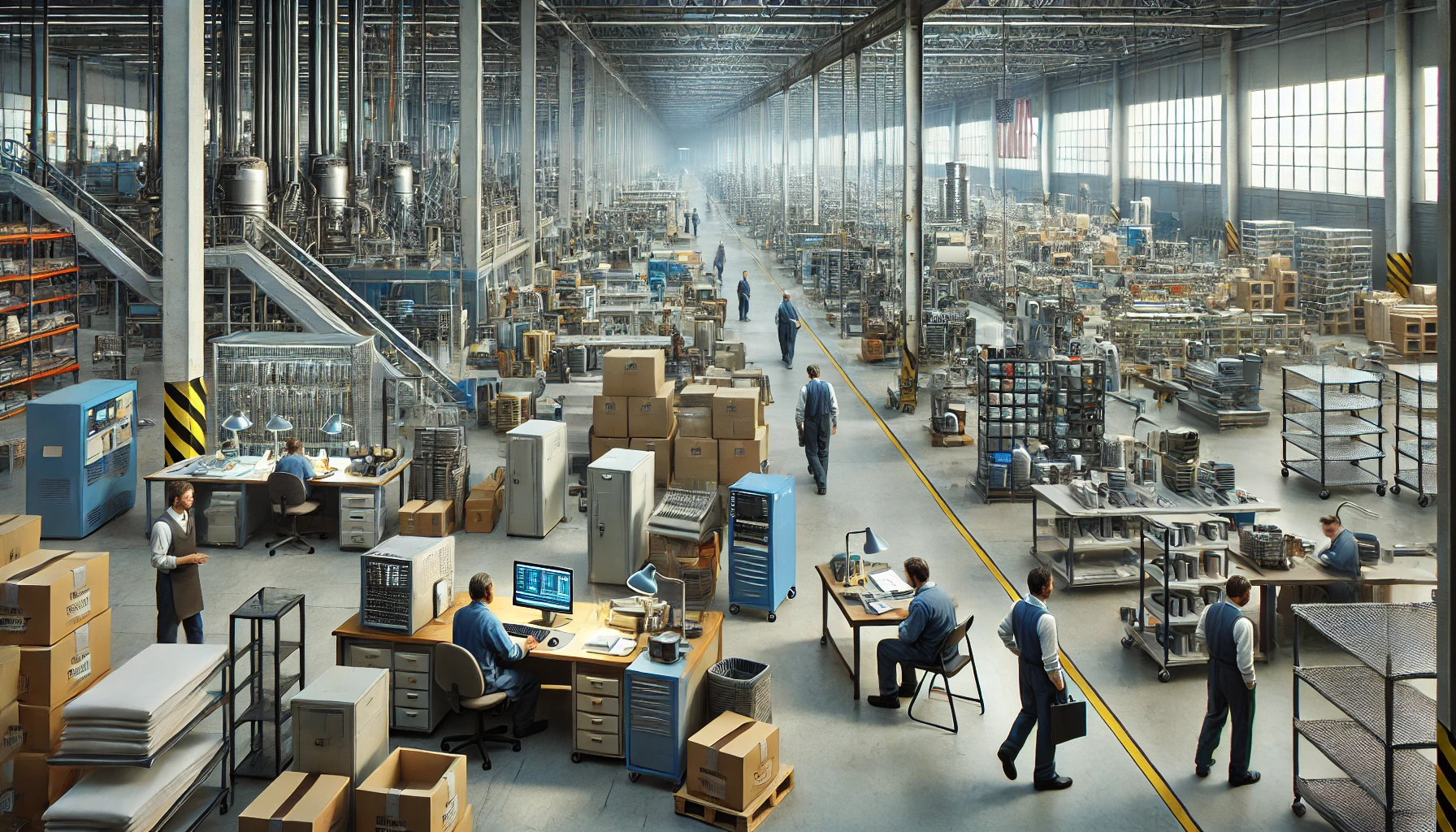
Factories and retail stores across the country are experiencing an unusual quiet, as the effects of a sweeping immigration crackdown ripple through the workforce. Reports from various industries suggest significant disruptions in operations, with many employers struggling to fill positions previously held by undocumented workers.
The recent enforcement measures, which include heightened workplace audits and stricter penalties for hiring unauthorized workers, have led to noticeable gaps in staffing. Factories, particularly in manufacturing hubs, are reportedly operating below capacity, while some retail stores are cutting hours due to a lack of personnel.
Employers have expressed concerns about the challenges of finding replacements, particularly in industries that rely heavily on labor-intensive roles. Many businesses are now ramping up recruitment efforts, increasing wages, and offering additional benefits to attract workers, but the process has proven slow and costly.
Supporters of the crackdown argue that the policies are necessary to ensure compliance with immigration laws and prioritize job opportunities for legal residents and citizens. They believe the measures will create a more level playing field and encourage businesses to adhere to lawful hiring practices.
Critics, however, warn that the labor shortages could have long-term economic consequences, including reduced productivity and higher costs for consumers. They also highlight the human impact of the enforcement measures, emphasizing the challenges faced by immigrant families affected by the crackdown.
As the labor market adjusts to these changes, the debate over immigration enforcement and its economic impact continues to intensify. Businesses and policymakers alike are grappling with how to balance the enforcement of immigration laws with the need to sustain critical industries and support economic growth.