
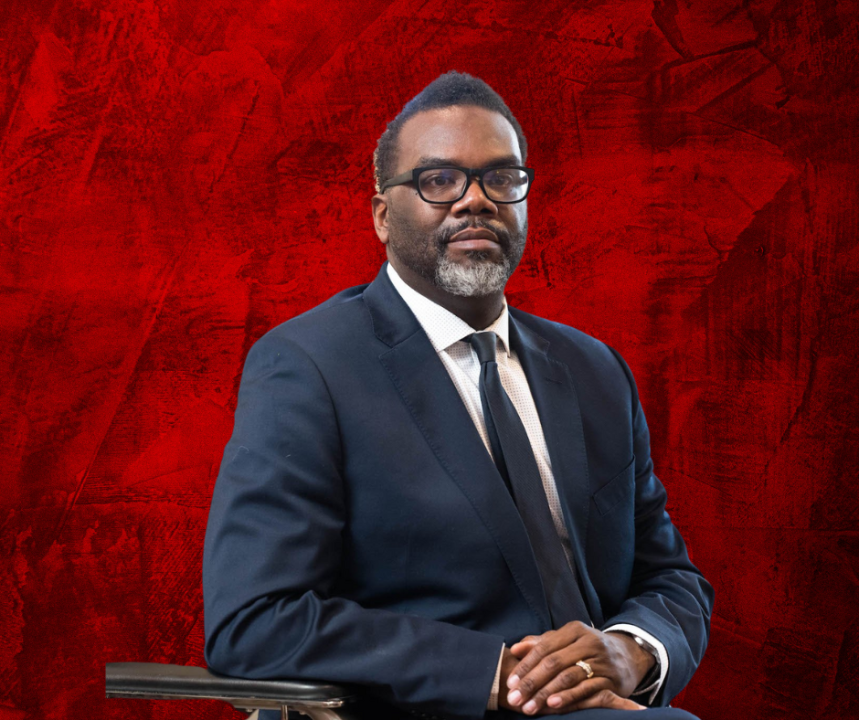
The city of Chicago is experiencing an increase in tensions as residents express their dissatisfaction with Mayor Brandon Johnson’s ongoing refusal to collaborate with federal immigration authorities. This posture has sparked a discussion regarding the city’s priorities and the effects on its residents.
Local resident and anchor of “Black Excellence Hour,” P Rae Easley, expressed her apprehensions during a recent interview. She emphasized the financial burden on taxpayers, stating, “Every individual who crossed that border came with a cost for the Chicago taxpayer.” Easley advocates for the reallocation of funds to support local citizens rather than undocumented immigrants.
The city’s sanctuary policies, which restrict collaboration with Immigration and Customs Enforcement (ICE), have been a source of controversy. Mayor Johnson has consistently defended these policies, arguing that they uphold Chicago’s values and safeguard vulnerable communities. He has instructed city departments to comply with local ordinances that limit their ability to collaborate with federal immigration enforcement.
Nevertheless, a significant number of residents believe that these policies are not in accordance with the community’s requirements. The financial burden of sustaining an expanding migrant population has emerged as a substantial issue. The city was criticized in December for allocating more than half a billion dollars to shelter migrants through its New Arrivals Mission, particularly in light of a significant budget deficit.
Targeting undocumented individuals with criminal records, the federal government has escalated its immigration enforcement initiatives. This has resulted in a more extensive dialogue regarding the equilibrium between the protection of public safety and the assistance provided to immigrant communities.
While the debate persists, residents such as Easley are advocating for a reevaluation of the city’s policies to guarantee that the safety and welfare of Chicago’s residents are prioritized. The intricate obstacles that urban centers encounter in confronting immigration and resource allocation are underscored by the tension.