
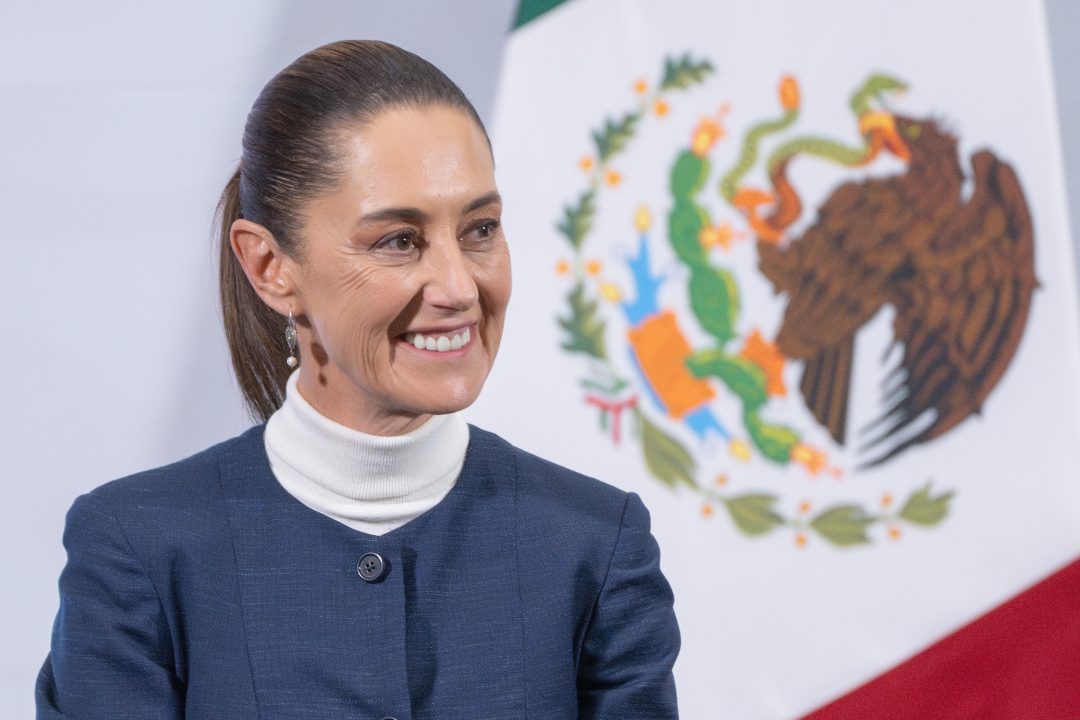
In response to the United States’ recent designation of six Mexican drug cartels as foreign terrorist organizations (FTOs), Mexican President Claudia Sheinbaum has announced plans to propose constitutional reforms aimed at safeguarding the nation’s sovereignty. This move reflects Mexico’s concerns over potential unilateral military actions by the U.S. within its borders.
The U.S. government’s decision to label cartels such as the Sinaloa and Jalisco New Generation as FTOs has intensified discussions about employing military force against these groups. President Donald Trump has previously suggested the possibility of cross-border operations to dismantle cartel networks, a stance that has raised alarms in Mexico.
President Sheinbaum emphasized that Mexico will not tolerate any foreign intervention that compromises its territorial integrity. The proposed constitutional amendments are intended to reinforce this position by explicitly prohibiting unauthorized military incursions and enhancing penalties for foreign nationals involved in illicit activities on Mexican soil.
The Mexican Congress, dominated by Sheinbaum’s Morena party, is expected to deliberate on these reforms in the coming weeks. Given the party’s majority, the passage of the amendments appears likely, signaling a firm stance against potential external military interventions.
This development underscores the delicate balance in U.S.-Mexico relations, particularly concerning collaborative efforts to combat drug trafficking and organized crime. While both nations acknowledge the threat posed by cartels, Mexico advocates for a bilateral approach that respects its national sovereignty and legal frameworks.