
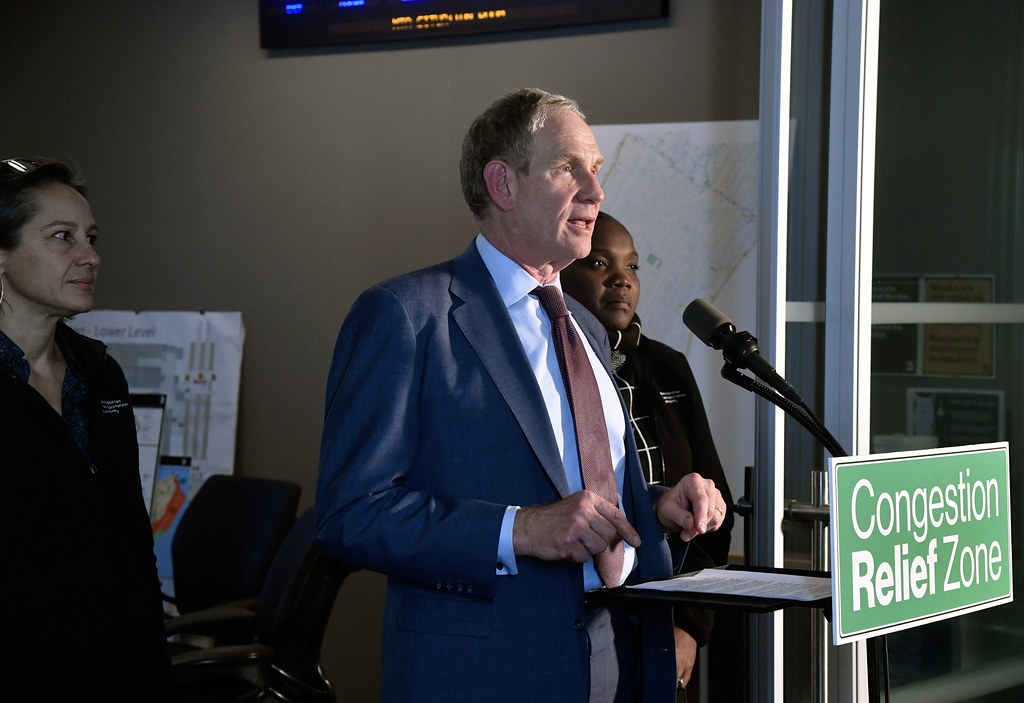
MTA Chairman Janno Lieber recently dismissed concerns about rising subway crime, characterizing the issue as largely “in people’s heads” during a public statement coinciding with the launch of New York City’s controversial congestion pricing plan. Lieber’s remarks have drawn mixed reactions from commuters and officials alike, as safety concerns remain a hot topic among transit users.
The congestion pricing program, aimed at reducing traffic and funding improvements to the Metropolitan Transportation Authority, has sparked debate over its potential impact on commuters and businesses. Under the new policy, vehicles entering Manhattan’s central business district during peak hours will face additional tolls, with the revenue intended to enhance public transportation services.
While Lieber emphasized the MTA’s efforts to address crime and safety on the subway system, critics argue that dismissing public perceptions of crime undermines confidence in the transit authority. Some commuters have voiced frustration, stating that their experiences of increased harassment and incidents on trains contradict Lieber’s assertions.
MTA data has shown fluctuations in subway crime rates, with some categories of offenses rising and others declining. However, concerns about personal safety have led many to seek alternative modes of transportation or avoid the subway altogether. Transit advocacy groups have called for more transparency and enhanced security measures to restore trust in the system.
As congestion pricing takes effect, the MTA faces dual challenges: managing public skepticism over safety and ensuring the program achieves its intended goals. Lieber remains optimistic, stating that the revenue generated will provide critical investments to modernize and secure the transit network, promising improvements that will benefit all New Yorkers in the long run.