
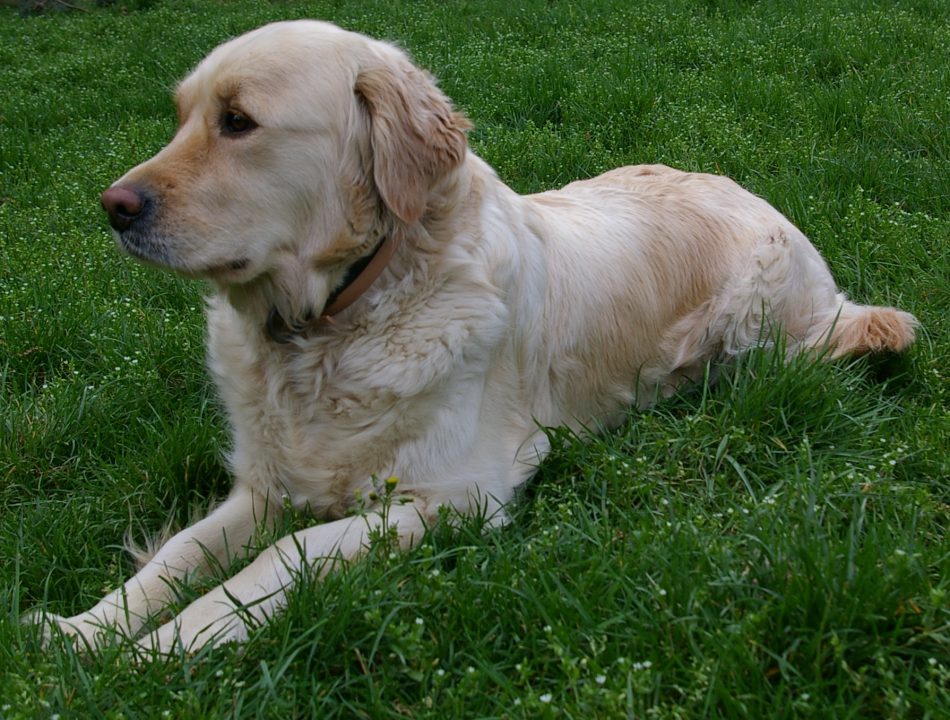
Veterinary experts across several U.S. states, including Oregon, Indiana, Illinois, Washington, Idaho, California, Nevada, and the Northeast, are urgently investigating a mysterious and potentially fatal respiratory illness affecting dogs. The perplexing condition, characterized by a persistent cough and symptoms resistant to conventional antibiotic treatments, has been on the rise, causing concern among pet owners and veterinarians alike.
Dr. Lindsay Ganzer from North Springs Veterinary Referral Center in Colorado Springs described the progression of the illness to TODAY, noting how dogs initially exhibit a relentless cough, which can rapidly evolve into pneumonia. Kevin Snekvik, Executive Director of the Washington Animal Disease Diagnostic Lab, further detailed the symptoms in a KIRO7 interview, highlighting fever, lethargy, and a productive, hacking cough among the indicators.
According to the Oregon Department of Agriculture, additional symptoms include sneezing, discharge from the eyes or nose, fatigue, cyanosis (blue or purple gums due to oxygen deprivation), breathing difficulties, and negative tests for other common respiratory pathogens.
Since mid-August, over 200 cases have been reported to the Oregon Department of Agriculture. Simultaneously, the American Veterinary Medical Association is tracking similar conditions in other states. Dr. Ganzer revealed that her hospital has been collaborating with a New Hampshire research lab to analyze samples from afflicted dogs.
The most common mode of transmission appears to be close contact among dogs, especially in environments like daycares, grooming facilities, boarding kennels, and dog parks. Dr. Amanda Cavanaugh from Colorado State University’s James L. Voss Veterinary Teaching Hospital noted an unusual trend: unlike typical contagious canine coughing conditions that wane in the fall, this year’s cases remain alarmingly high.
Kurt Williams, director of the Oregon Veterinary Diagnostics Lab, mentioned that efforts to identify the cause are ongoing. While the exact nature of the illness remains elusive, Williams suspects a viral origin due to its apparent infectious nature.
Amidst this outbreak, the Oregon Department of Agriculture advises pet owners to ensure their dogs are current with vaccinations, including for canine influenza, Bordetella, and parainfluenza. They recommend health checks for dogs before participating in events with other canines and seeking veterinarian advice for dog-specific precautions.
Snekvik advised owners to consider alternatives to boarding their pets over the holidays and to be cautious about interactions with unfamiliar dogs, as a means to prevent potential spread.
As the investigation continues, the veterinary community is on high alert, seeking answers to this puzzling illness while urging dog owners to remain vigilant about their pets’ health and interactions.