
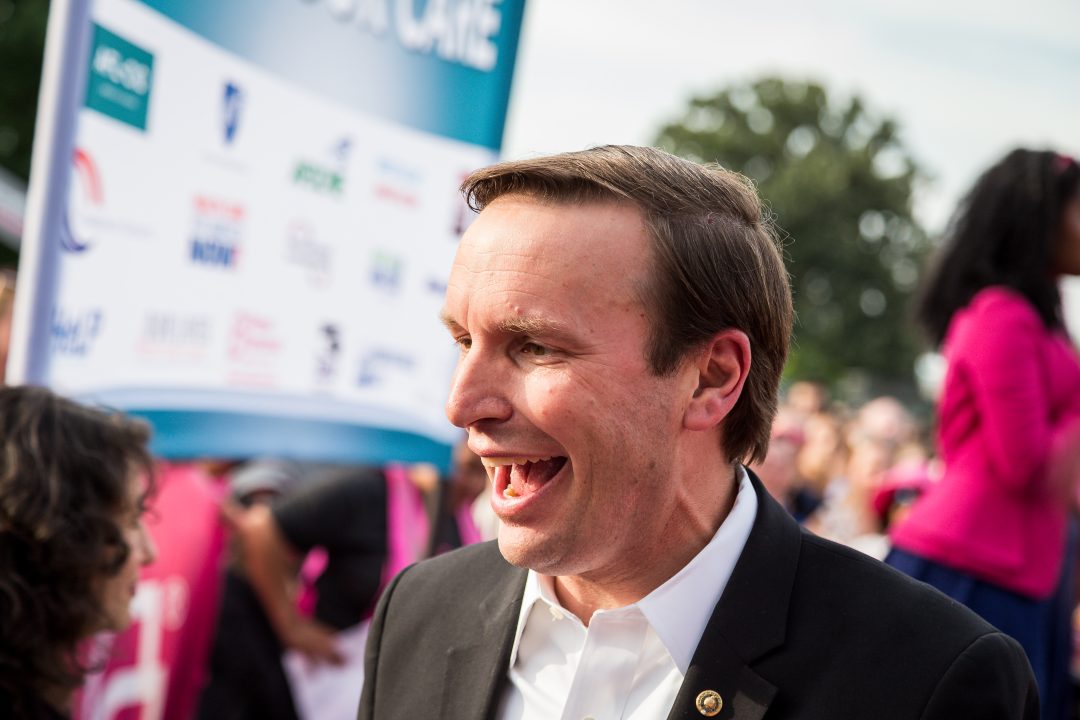
Senator Chris Murphy of Connecticut has intensified the debate over the direction of Democratic leadership in the Senate, publicly urging the party to embrace “more effective leadership” at a time when internal divisions are becoming increasingly visible. His remarks arrive as Senate Minority Leader Chuck Schumer faces mounting scrutiny from within his own caucus over strategy, unity and the party’s ability to counter a resurgent Republican agenda.
Murphy’s comments followed a series of high-profile votes in which several Democrats broke ranks and sided with legislation supported by former President Donald Trump. The defections have raised questions about Schumer’s capacity to keep the caucus cohesive, especially as Republicans push aggressively on issues ranging from border security to foreign policy. Murphy argued that Democrats must reassess how they coordinate decisions and communicate priorities to prevent further fragmentation.
According to Murphy, the caucus needs more candid internal conversations about long-term strategy and a clearer plan for organizing around shared goals. While he stopped short of calling for Schumer to step aside, the message underscored growing unease among Democrats who believe the party has struggled to present a unified front in an increasingly polarized Senate.
Schumer has not publicly responded to the criticism, but allies insist he retains strong support and argue that ideological diversity within the caucus makes occasional divisions unavoidable. Still, the pressure is notable: this is one of the first times a prominent Democratic senator has openly called for improvement in leadership dynamics rather than addressing concerns privately.
The tension emerges as the party approaches a critical political calendar, with major legislative fights underway and the next election cycle looming. How Schumer navigates this moment—balancing internal dissent while keeping Democrats aligned—could shape the party’s influence in the months ahead.