
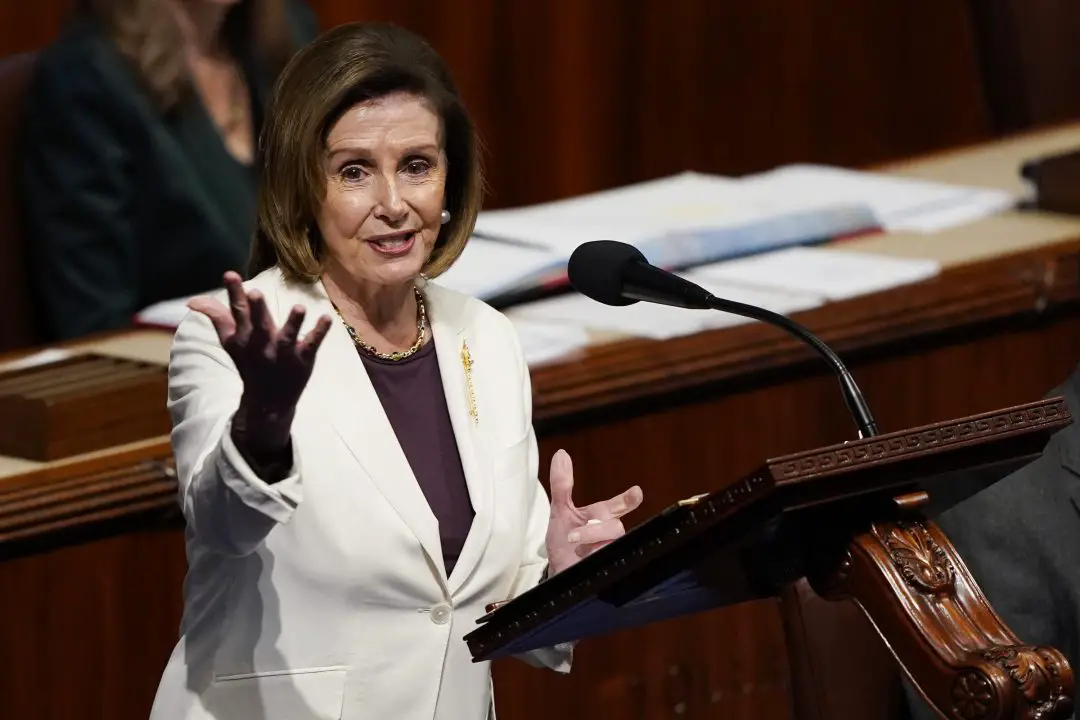
Former House Speaker Nancy Pelosi strongly criticized remarks made by Senator Bernie Sanders, who attributed the recent election loss of Kamala Harris to what he described as the Democratic Party’s failure to connect with the working class. Pelosi, in a pointed response, argued that Sanders’ comments oversimplified complex electoral dynamics and unfairly placed blame solely on party strategies.
Pelosi emphasized that the defeat was multifaceted, with contributing factors ranging from economic conditions to media narratives and opposition tactics. She maintained that Democratic efforts to champion working-class interests have been consistent, noting initiatives such as increased minimum wages and expanded healthcare access. In contrast, she suggested that external forces, including misinformation and economic anxieties exacerbated by global issues, played a more significant role in swaying voter sentiment.
Sanders’ comments have sparked broader debate within the Democratic Party, highlighting tensions between its progressive and centrist factions. While some members agree that greater engagement with working-class voters is necessary, others, like Pelosi, believe the challenges are more nuanced and require a comprehensive review of campaign strategies and messaging.
This internal discord underscores the difficulties facing Democrats as they seek to rebuild and unite following a significant electoral setback. Pelosi’s critique reflects an ongoing struggle to balance differing perspectives within the party while working to regain the confidence of diverse voter bases across the country.