
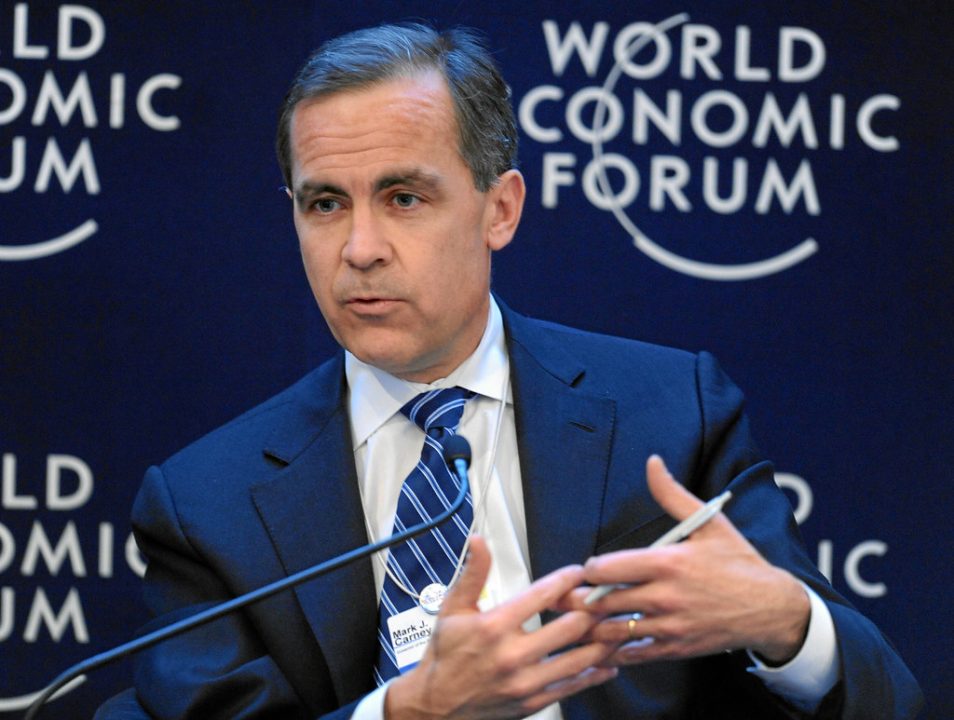
The former head of the Bank of Canada and the Bank of England, Mark Carney, has been formally announced as Prime Minister Justin Trudeau’s replacement. Following a period of political and economic difficulties that altered Canada’s domestic and global environment, Trudeau is stepping down, according to the announcement.
Carney has long been regarded as a leading candidate for leadership of the Liberal Party and is well-known for his vast experience in international finance. His expertise in financial stability and economic policy has made him a pivotal player in Canada’s fiscal strategy, and his ascent to political leadership heralds a change in direction toward a governing style that is more focused on the economy.
Carney takes on a number of urgent challenges as he gets ready to assume his new position, including as the ongoing trade disputes with the United States, the efforts to revive the economy, and the mounting worries about inflation and rising living expenses. Restoring economic stability while upholding Canada’s diplomatic ties and international obligations would probably be the key goals of his administration.
In the meantime, a momentous period in Canadian politics comes to an end with Trudeau’s exit. He established social reforms, climate initiatives, and progressive policies during his term, which characterized his leadership. However, the Liberal Party has needed to change course due to recent political upheavals, economic worries, and international conflicts.
Political commentators are closely observing Carney’s transition into the role to determine if his financial experience translates into national leadership and whether his economic philosophy can solve the nation’s problems. In the upcoming years, his assumption of the job is anticipated to influence Canada’s internal policies and international standing.