
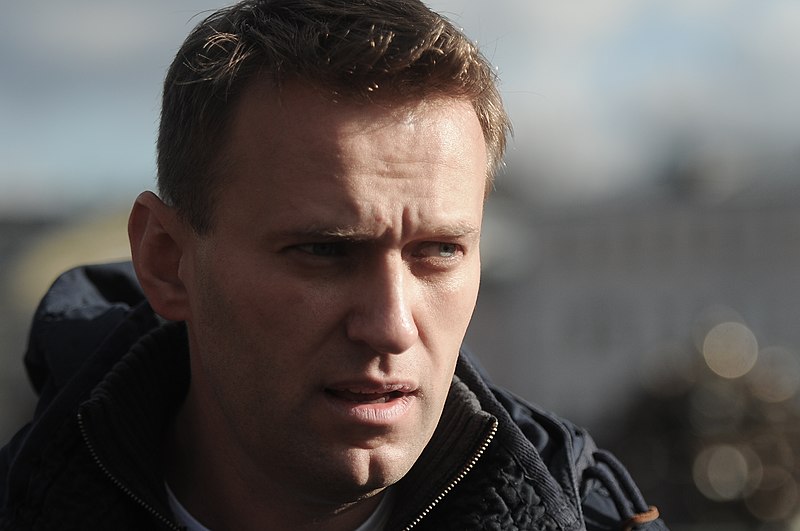
In a disturbing turn of events, reports have emerged claiming that the body of Russian opposition leader Alexei Navalny was found with signs of bruising, as Russian authorities assert that he died of “sudden death syndrome.”
Navalny, a prominent critic of the Kremlin, fell ill while serving a prison sentence in Russia and was subsequently transferred to a hospital for treatment. Despite efforts to save his life, Navalny passed away, sparking international scrutiny and demands for an investigation into the circumstances surrounding his death.
According to sources, Navalny’s body displayed signs of bruising, raising suspicions of foul play. However, Russian officials have dismissed these concerns, attributing his death to “sudden death syndrome.”
The conflicting narratives surrounding Navalny’s death have intensified calls for transparency and accountability from the Russian government. Many world leaders and human rights organizations have condemned Navalny’s treatment and demanded a thorough investigation into his death.
Navalny’s passing marks a significant loss for the opposition movement in Russia and has reignited debates about political repression and human rights violations in the country. As the investigation unfolds, the world watches closely, hoping for answers and justice for Navalny and his supporters.