
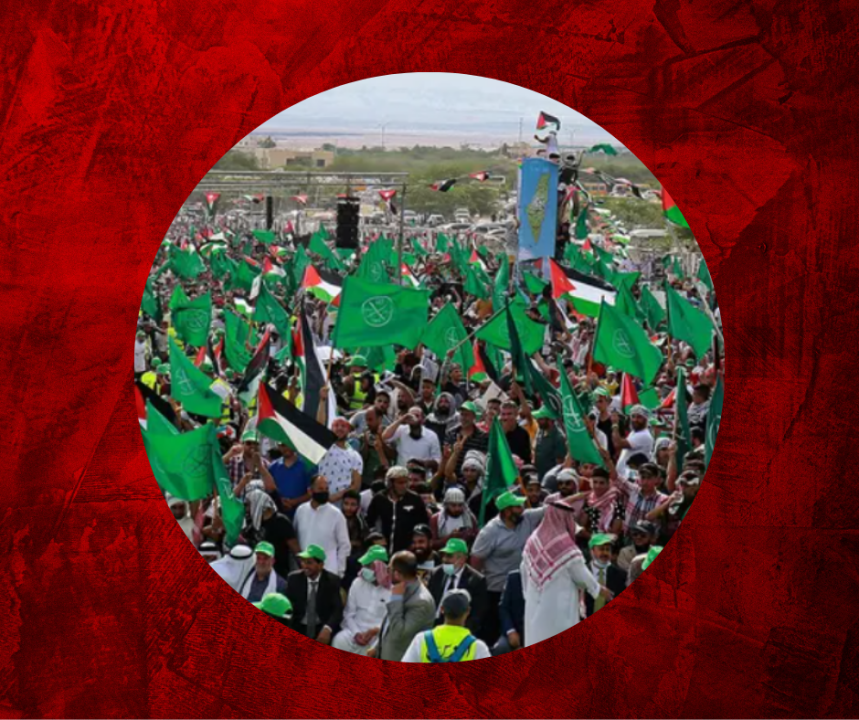
A recent thorough report argues that the Muslim Brotherhood has engaged in decades-long efforts to quietly influence American institutions and recommends formally labeling the organisation a terrorist entity.
The analysis details what it describes as a “multi-generational campaign” by the Brotherhood to embed its ideology across sectors including education, finance, law, media and religious outreach. It alleges that the group’s work in the U.S. proceeds under the cover of social and advocacy organisations, while maintaining ties to international affiliates already designated as terrorist organisations.
The report calls for federal policy action: classify the Brotherhood as a foreign terrorist organisation, disrupt its financial pipelines, bar its affiliates from operating in U.S. civil society spaces, and ramp up enforcement of existing laws on material support. It highlights that several countries—including Egypt, Saudi Arabia and the United Arab Emirates—already treat the Brotherhood as a terror threat.
Texas Governor Greg Abbott has responded by declaring the Brotherhood and related groups as foreign terrorist organisations under state law, prohibiting them from property ownership and financial dealings in the state. The report notes that while Texas has taken this step, federal authorities have yet to adopt a national designation.
Authors suggest the U.S. government’s failure to apply the designation allows the Brotherhood to operate openly, collect funds, form alliances and influence policy debates—raising concerns among national-security experts that subversive efforts could undermine civic coherence over time.
The report is expected to reignite debate in Congress and among intelligence agencies about the threshold for terrorist designation and the value of applying it to broad ideological networks rather than overtly violent groups alone.