
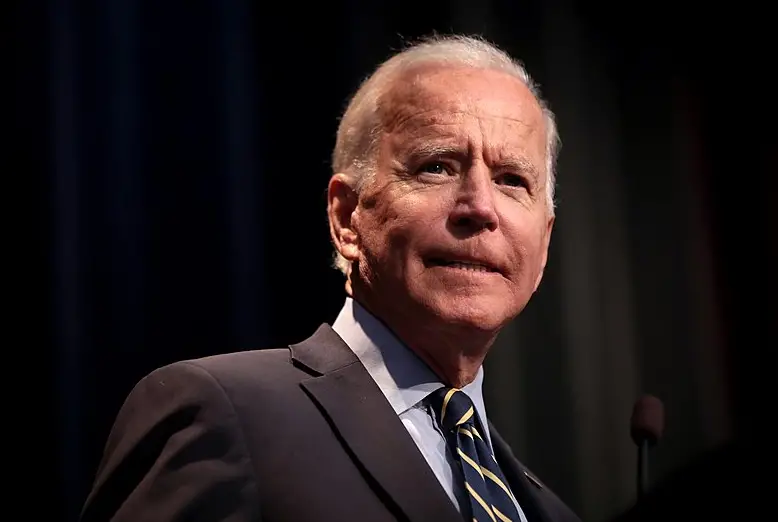
A recent episode of the New York Times’ podcast “The Run-Up” has unveiled a spectrum of opinions among Black Americans regarding President Biden’s potential re-election bid in 2024. The episode, hosted by reporter Astead Herndon, featured candid conversations with his friends and family during Thanksgiving, revealing varying levels of support and skepticism towards the Democratic Party.
During these discussions, some Black Americans expressed doubts about Biden’s age and the Democratic Party’s ability to deliver on its promises to the Black community. The conversations hinted at a potential shift in voting patterns, with some respondents suggesting that the Republican Party’s emphasis on financial independence might resonate with a substantial number of Black voters, particularly men.
The podcast was inspired by a New York Times/Siena College poll indicating a potential increase in Black support for Donald Trump, from 8 percent in 2020 to 22 percent in a hypothetical 2024 rematch against Biden. Herndon’s interviews reflected this data, as several of his family members voiced reluctance to continue supporting the Democratic Party.
One notable conversation revolved around former President Obama’s legacy, with a guest expressing disappointment in Obama’s impact on the Black community, especially in Chicago. This sentiment was echoed by others, who felt disillusioned with the political system as a whole.
The dilemma of choosing between Biden and Trump was a recurring theme. While one guest was adamant about not voting for Trump, he also expressed reservations about Biden. Another guest outright stated her reluctance to vote for either candidate, reflecting a broader sentiment of political disenfranchisement.
Herndon also delved into why Black men might be more inclined towards the Republican Party, with financial mobility being cited as a key factor. The perception that the Democratic Party has neglected Black male voters in favor of focusing on Black women was another point of discussion.
The episode concluded with frank discussions about both Biden and Trump, highlighting the need for more critical evaluation of Biden’s policies, especially those impacting the Black community.