
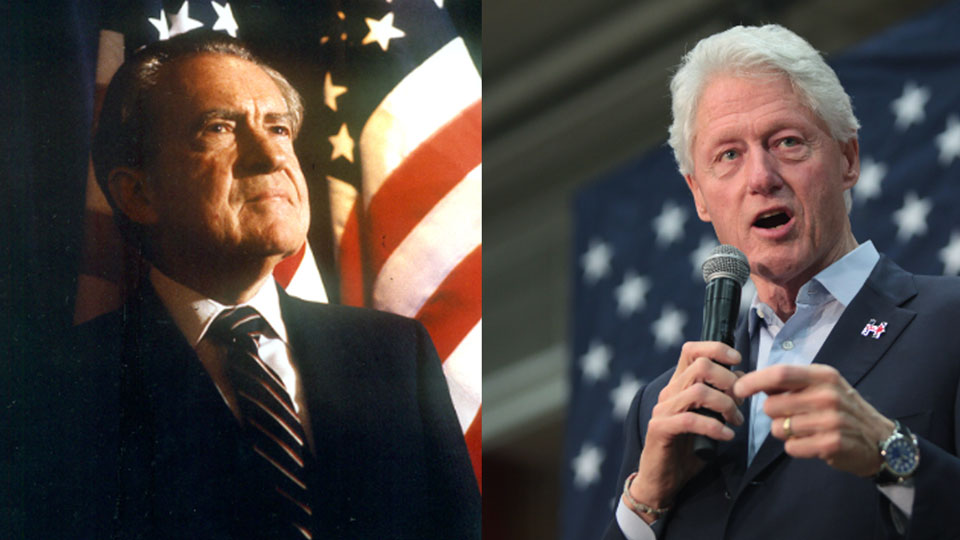
An emotional letter from former President Richard Nixon to his successor, Bill Clinton, was sent a month before Nixon’s untimely death in April 1994. As Clinton put it later, this persuasive letter revealed by the Clinton presidential library offered “wise counsel, especially with regard to Russia.” The letter’s contents, it turns out, are hauntingly prescient.
The Wall Street Journal’s investigation into the contents of a letter written by a history professor on March 21, 1994, has attracted a lot of interest. The letter is seven pages long. After returning from a life-altering two-week trip to Russia and Ukraine, Nixon, then 81 years old, penned the letter.
Nixon’s scandalous exit from the White House in 1974 is well-known, but he is also recognized as the architect of détente with the Soviet Union. It was during his historic 1972 trip to Moscow that he and Soviet General Secretary Leonid Brezhnev signed the Anti-Ballistic Missile Treaty and the Strategic Arms Limitation Treaty. After leaving office, Nixon continued to be involved in international affairs, using his extensive background to advise on how the United States should approach foreign policy in the post-Cold War era.
The letter is fascinating because of Nixon’s foresight in projecting Russia’s political situation. He predicted with uncanny accuracy the rise of leaders like Putin and the subsequent deterioration of ties between Moscow and Kyiv. Given the era in which he wrote, his observations are astounding.
As Nixon put it, “the most important foreign policy issue the nation will face for the rest of this century is the survival of political and economic freedom in Russia.” In this setting, he expressed his worries to Clinton about Russia’s young democracy under Boris Yeltsin.
The former president voiced his concern over the “highly explosive” situation in Ukraine. He cautioned Clinton that if nothing was done, the situation might quickly become far worse than the Bosnian conflict.
Nixon also offered some practical counsel, advising Clinton to increase the size of the American diplomatic mission in Kyiv. After hearing from American companies their concerns about an understaffed and poorly led embassy, Nixon stressed the significance of bolstering their presence.
Nixon’s advice to Clinton on who could replace Yeltsin was another interesting part of the letter. President George H.W. Bush’s friendship with Mikhail Gorbachev served as an example, he said, warning against placing too much stock on personal relationships with Russian leaders.
Nixon pondered who would succeed Yeltsin as Russia’s leader and realized that no one in Yeltsin’s league existed at the time. A nationalist and populist wave in the country, he correctly predicted, might produce a “credible candidate for president.” Remarkably, only five years separated this forecast from the rise of Putin’s Russian nationalist rule.
Nixon was open about his dislike for career diplomats in a letter he wrote to a friend, explaining that he had made some of his best decisions by going against the advice of others or without their permission. Clinton was advised to follow his own course and not be swayed by the opinions of foreign service officers, whom he saw as more interested in advancing their own careers.
A unique historical artifact, the letter provides insight into the thoughts of a seasoned statesman as he offers advice that goes beyond politics. Clinton later admitted he wished he could have consulted with President Nixon on important matters, especially those involving Russia.