
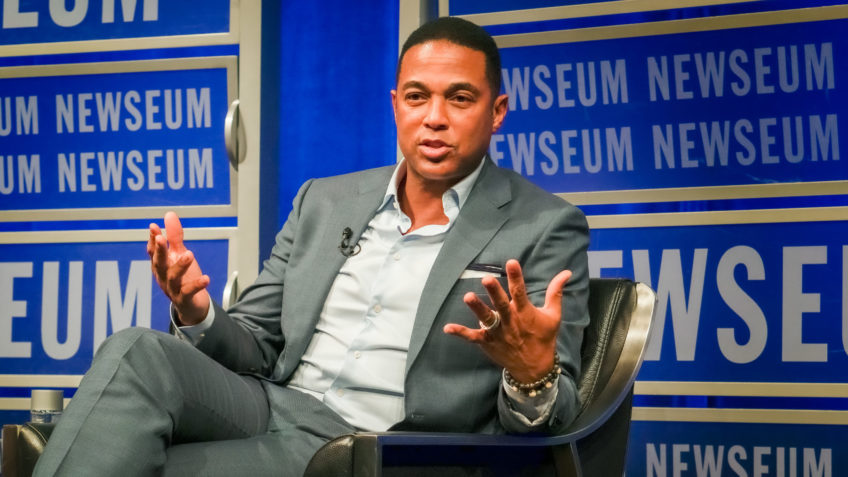
Former CNN host Don Lemon recently expressed surprise after hearing from several New Jersey voters who believe they were in a better position four years ago than they are today. Lemon, who was engaging with local residents as part of a broader conversation about the upcoming election, found the sentiments striking, especially given the numerous challenges that have emerged over the past few years.
During his visit to New Jersey, Lemon spoke with a diverse group of voters, many of whom shared their concerns about the current state of the economy, rising living costs, and political division. Several individuals mentioned that despite the challenges of the past, they felt more financially secure and optimistic about the future during the previous administration.
Lemon, known for his sharp commentary on political and social issues, acknowledged that he was taken aback by the level of dissatisfaction expressed by some of the voters. “It’s surprising to hear so many people say they felt things were better four years ago, given everything that has happened since then,” Lemon remarked. “It really highlights the disconnect between political narratives and the lived experiences of everyday Americans.”
The former CNN anchor’s encounter with these voters underscores the ongoing debate over whether the current administration has effectively addressed the economic and social challenges facing the nation. The sentiments shared by these New Jersey residents reflect a broader uncertainty about the direction of the country, with many expressing frustration over inflation, job security, and political gridlock.
Lemon’s observations come as political analysts continue to assess the potential impact of these voter sentiments on the upcoming election. While some believe that dissatisfaction with the current state of affairs could influence voter turnout and preferences, others argue that a range of factors will ultimately determine the outcome.
As the election season heats up, Lemon’s conversation with New Jersey voters serves as a reminder that many Americans are still grappling with the question of whether their lives have improved or worsened over the past four years. For these voters, the decision they make at the ballot box will likely be influenced by their personal experiences and perceptions of progress—or the lack thereof—in recent years.