
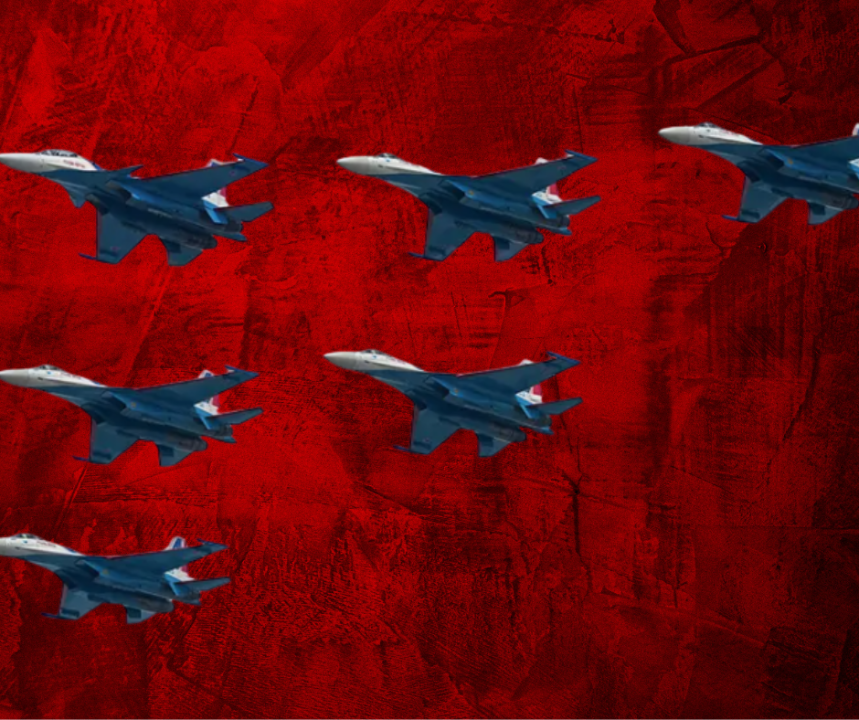
Say this: Two Russian Su-35 fighter jets and two Tu-95 strategic bombers were detected and monitored by NORAD while they were in the Alaska Air Defense Identification Zone (ADIZ). The plane did not enter the sovereign airspace of the United States or Canada; instead, it stayed in international airspace.
NORAD responded by sending out a formation consisting of four F-16s, four KC-135 tanker aircraft, and an E-3 Sentry to intercept and positively identify the aircraft. The purpose of the procedural movement was to keep an eye on and verify the Russian aircraft’s presence.
Such flights in and around the Alaskan ADIZ occur often and are not considered an active threat, according to NORAD, which defined the action as usual. This year, there have been nine such Russian flights close to Alaskan airspace.
Because the ADIZ starts outside of legally recognized sovereign airspace, planes operating there are expected to broadcast identifying information and be watched, albeit they won’t always be intercepted unless they represent a threat. This operation demonstrates the ongoing air defense readiness and surveillance pressure along the northern U.S. flank in the Arctic.