
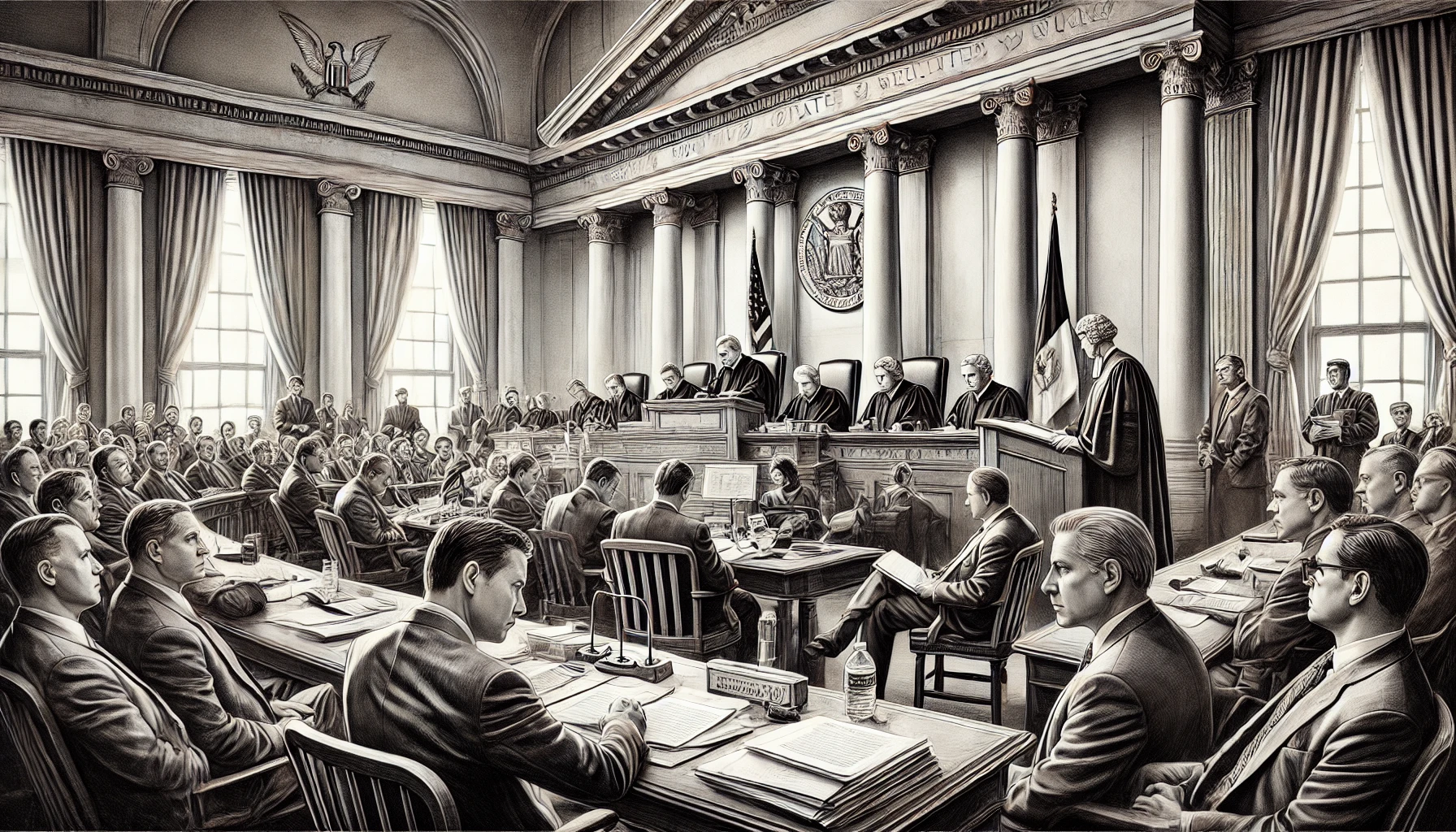
In a pivotal legal battle, the New York Court of Appeals is set to deliberate on the legality of a municipal law that would permit over 800,000 noncitizens to participate in New York City’s local elections. The legislation, enacted in December 2021, grants legal residents, including green card holders and individuals with work authorizations who have resided in the city for at least 30 days, the right to vote in municipal contests such as mayoral races.
Proponents of the law argue that noncitizen residents contribute significantly to the city’s economy and should have a voice in local governance. They emphasize that these individuals pay taxes and are affected by municipal policies, thereby deserving representation in city elections.
Opponents, however, contend that the law contravenes the New York State Constitution, which they interpret as restricting voting rights to U.S. citizens. They express concerns that allowing noncitizens to vote could dilute the votes of citizens and fundamentally alter the city’s political landscape.
The law faced legal challenges shortly after its passage, leading to a series of court rulings. In June 2022, a trial court in Richmond County declared the law unconstitutional, a decision upheld by an appellate court in 2024. The City Council, disagreeing with these judgments, filed an appeal to the state’s highest court, asserting that the law aligns with the state’s constitution and the Municipal Home Rule Law.
The upcoming hearing represents the final opportunity for the city to reinstate the law. The court’s decision could have far-reaching implications, potentially setting a precedent for noncitizen voting rights in other municipalities across the nation.
As the debate continues, the case underscores the complex interplay between state constitutions, local governance, and the evolving definition of voter eligibility in the United States.