
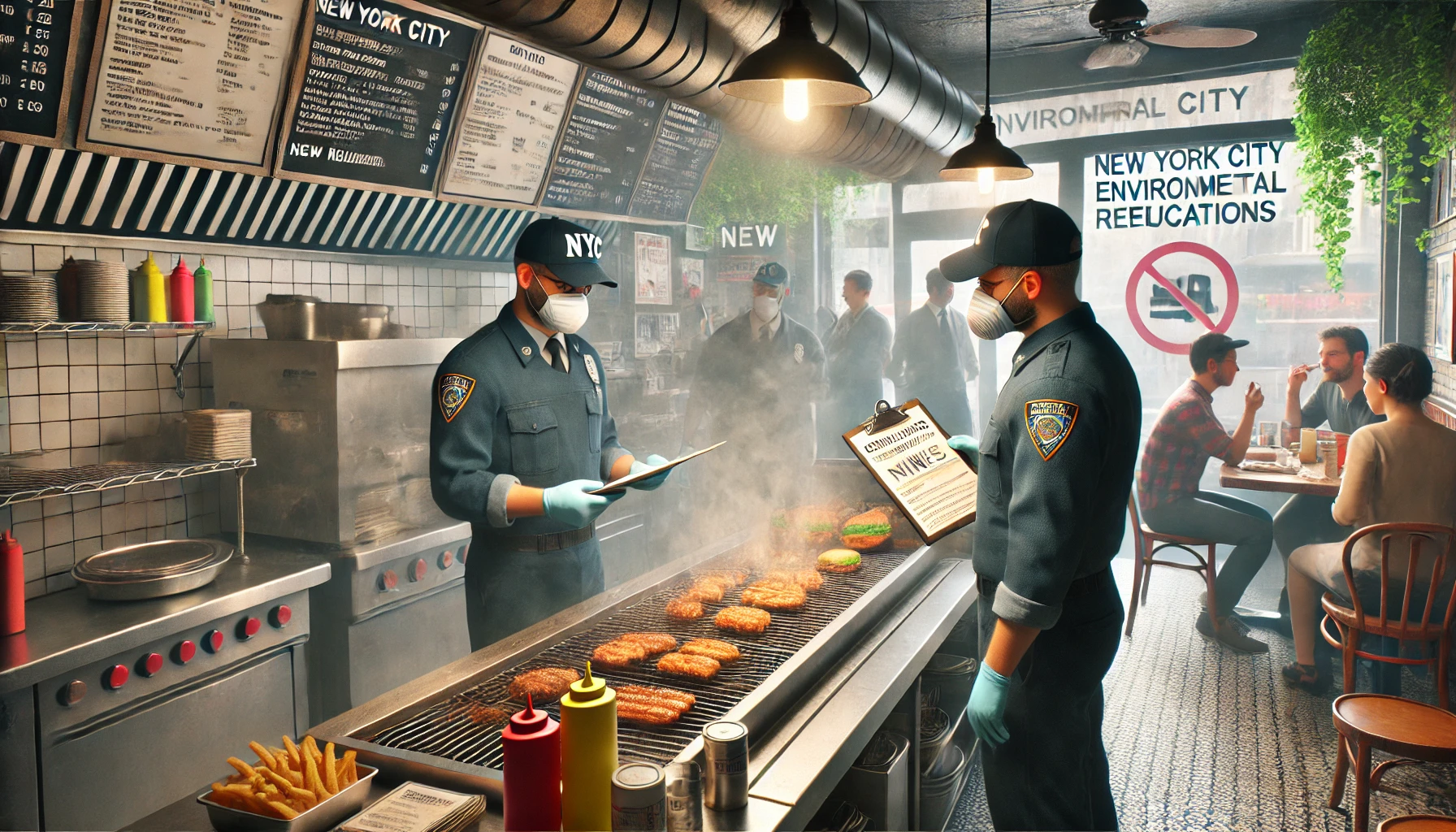
New York City’s restaurant industry is reacting with frustration over a recently proposed regulation requiring establishments to reduce charbroiler emissions by 75%. The new rule is part of the city’s broader climate initiatives aimed at cutting air pollution and reducing its carbon footprint. However, many restaurant owners argue that the mandate is impractical and financially burdensome.
The regulation primarily targets restaurants that use open-flame cooking methods, such as grilling and broiling, which are popular in many kitchens across the city. Compliance would require expensive upgrades, such as installing advanced filtration systems or altering cooking practices. Industry representatives fear these changes could drive up costs for small businesses, potentially forcing some to close.
Critics of the regulation say it fails to consider the cultural and culinary significance of charbroiled foods in New York’s diverse dining scene. They argue that the policy could undermine the city’s reputation as a global food hub. Meanwhile, environmental advocates maintain that addressing emissions from all sectors, including restaurants, is essential to achieving the city’s ambitious climate goals.
City officials have stated that the measure is part of a comprehensive plan to improve air quality and combat climate change. While they acknowledge concerns from the restaurant industry, they are urging collaboration to find workable solutions that balance environmental priorities with the needs of small businesses. The proposed regulation is still under review, with public hearings expected to shape its final implementation.