
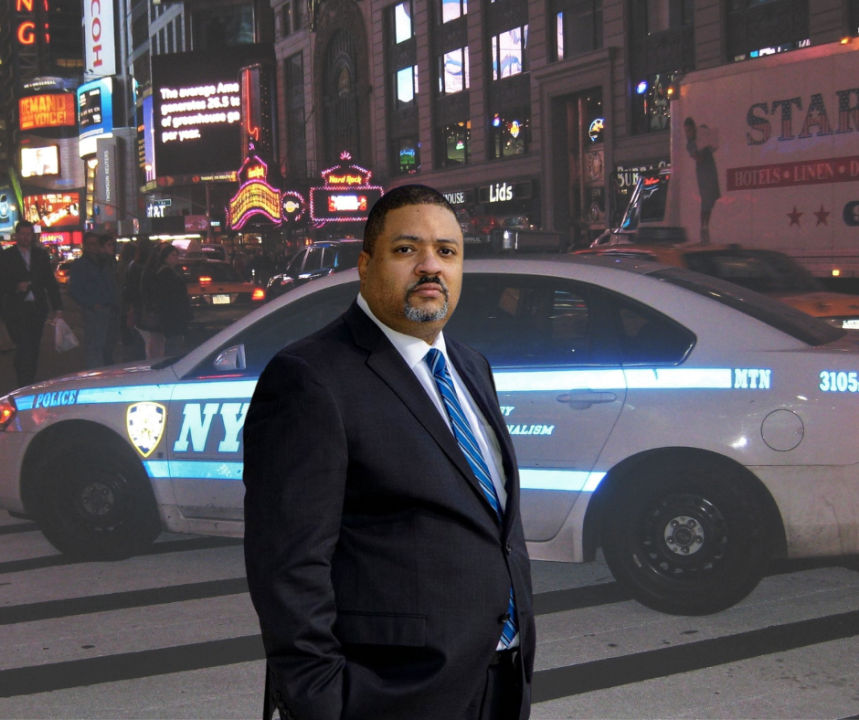
Tensions have escalated among New York City police officers and other law enforcement professionals following a controversial decision by Manhattan District Attorney Alvin Bragg not to pursue bail for several migrants implicated in a violent altercation with NYPD officers in Times Square. This incident, captured vividly on video, has sparked widespread criticism and disbelief, particularly among veteran police personnel, who view the decision as a blatant disregard for law enforcement and a signal that attacks on police officers will not be met with significant legal repercussions.
The confrontation, which took place on January 27, led to the arraignment of five individuals on charges including second-degree assault on a police officer and obstruction of governmental administration. Despite the severity of these charges, all five were released without bail after their arraignment, a move that has not only frustrated officers but also raised concerns about the message it sends regarding the consequences of assaulting law enforcement personnel.
One detective, with over two decades of experience, expressed a sentiment of betrayal, suggesting that the decision reflects a lack of respect for the police department and its officers. Another officer criticized the prosecutor’s actions as undermining the legal system, emphasizing the bail-eligible nature of the offenses and expressing skepticism about the arrested individuals’ likelihood of returning for their court dates.
In response to the outcry, DA Bragg announced plans to bring the case before a grand jury, promising to hold those responsible accountable. This announcement has done little to quell the frustration of the police force, with officers lamenting the broader implications of what they see as a “catch-and-release” approach to criminal justice in the city.
The individuals involved in the attack, reportedly residing in migrant shelters across the city, have become the subject of a broader discussion about the handling of violent crimes and the challenges of ensuring public safety. Among those arrested, several have reportedly fled to California, complicating efforts to bring them to justice.
The incident and the district attorney’s handling of it have also drawn criticism from political figures, with City Council Minority Leader Joe Borelli condemning Bragg’s approach to justice and public safety. The case has further highlighted ongoing debates about crime, punishment, and the balance between ensuring justice and protecting the rights of individuals, especially in a city grappling with complex social and legal challenges.
As the legal process unfolds, the NYPD and the Manhattan DA’s office have pledged to work together to address the incident, emphasizing the importance of accountability and the protection of officers on the front lines of public safety. The case continues to resonate as a flashpoint in discussions about law enforcement, legal policy, and community relations in New York City.