
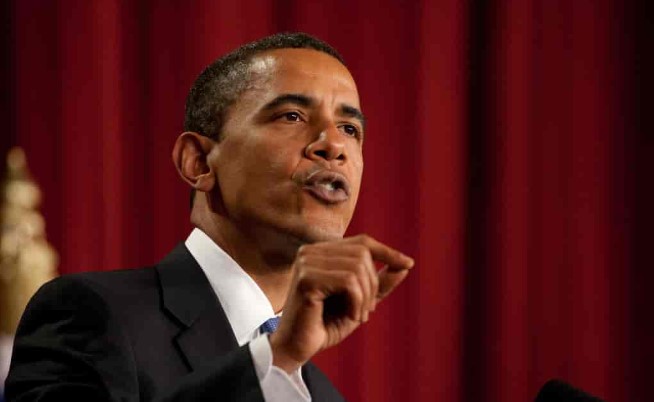
In a recent interview, former President Barack Obama called for the implementation of “digital fingerprints” to assist individuals in identifying reliable sources of information on the internet.
During an episode of David Axelrod’s CNN Audio podcast, “The Axe Files,” Obama discussed the prevalence of misinformation, disinformation, and deepfakes targeting him. Reflecting on his status as the first “digital president” and the extensive recording, filming, and photographing he underwent, Obama recognized the abundance of raw materials available for manipulation.
Obama recalled that a deepfake video featuring a version of himself dancing and “saying dirty limericks” was the initial instance of this technology. He warned that such issues would only worsen, particularly in the upcoming election cycle, and proposed the use of “digital fingerprints” as a solution to distinguish between facts and falsehoods.
He emphasized the need for the general public to become more discerning consumers of news and information and highlighted the necessity of developing technologies to establish watermarks or digital fingerprints to determine the veracity of content. Obama acknowledged the challenges involved in this endeavor but emphasized the role of the American people in addressing the issue.
Obama and Axelrod further discussed the tendency of many individuals to rely on news sources that align with their preexisting beliefs, contributing to the problem of disinformation. Obama expressed concern about the impact of such misinformation campaigns on critical matters like COVID vaccination and electoral processes, as they can undermine public trust and discourage civic participation.
The former president recognized the public’s understanding that not everything on their phones is true but warned about the dangers of disinformation campaigns that portray the electoral system as unfair and corrupt, potentially discouraging voter turnout. Obama cautioned that such cynicism benefits those in positions of power and expressed fears that it would only increase in the upcoming election.
The interview took place six weeks after the Obama Foundation released a video of the former president discussing “widespread disinformation” on World Press Freedom Day. Obama had previously announced the foundation’s plans to launch a program combating fake news. However, critics have pointed to instances where Obama himself faced criticism for false statements, such as his “Lie of the Year” regarding the Affordable Care Act.
Moreover, recent scrutiny has focused on the Biden administration’s efforts to establish the Disinformation Governance Board within the Department of Homeland Security (DHS). Critics, particularly Republicans, have expressed concerns about potential censorship and the resemblance of such initiatives to a dystopian “Ministry of Truth,” stifling dissent under the pretext of combating false information.