
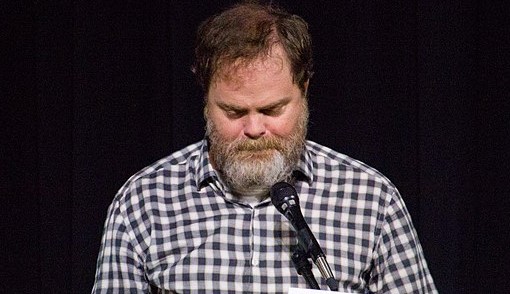
Rainn Wilson, renowned for his portrayal of Dwight Schrute on “The Office,” recently engaged in a thought-provoking podcast conversation where he emphasized the necessity of a spiritual revolution. Speaking on the “No Small Endeavor” podcast hosted by theologian Lee C. Camp, Wilson delved into his personal religious journey and the complexities of maintaining faith in the entertainment industry and modern culture.
During the discussion, Wilson touched upon his experiences discussing faith over the past 12 years, noting how it often unsettles people, particularly in Hollywood. He pointed out that openly talking about God is considered uncool, even among comedians who humorously label themselves as uncool. In Hollywood, being part of the “cool kids” group takes precedence.
While Wilson acknowledged the absence of concrete evidence for bias against faith-based discussions in the industry, he sensed a collective eye roll whenever the topic arose. Despite potential career implications, he emphasized that his exploration of faith is not driven by self-promotion or personal gain.
The actor recently released a book titled “Soul Boom: Why We Need a Spiritual Revolution.” In the book, he warns about the inadequacy of existing political and economic systems in addressing the societal tensions we face. As an adherent of the Baha’i faith, a deistic religion founded in 19th century Iraq, Wilson highlights the void left by the abandonment of religion in today’s society. He acknowledges that while some seek spirituality through yoga classes, meditation apps, or inspirational Instagram accounts, there are universal aspects of art and spirituality that humanity urgently needs.
Wilson argued that we are currently grappling with various pandemics, including climate change, racism, and income inequality. These issues demand our attention and collective action.
In addition, Wilson drew attention to what he perceives as an “anti-Christian bias” in the entertainment industry. He questioned the portrayal of Bible-reading characters as villainous, advocating for more nuanced representations that accurately depict loving and kind individuals of faith.
Through his discussions and writings, Wilson encourages a broader perspective on spirituality, explores the challenges of discussing faith in Hollywood, and underscores the importance of addressing pressing societal issues through a spiritual lens.