
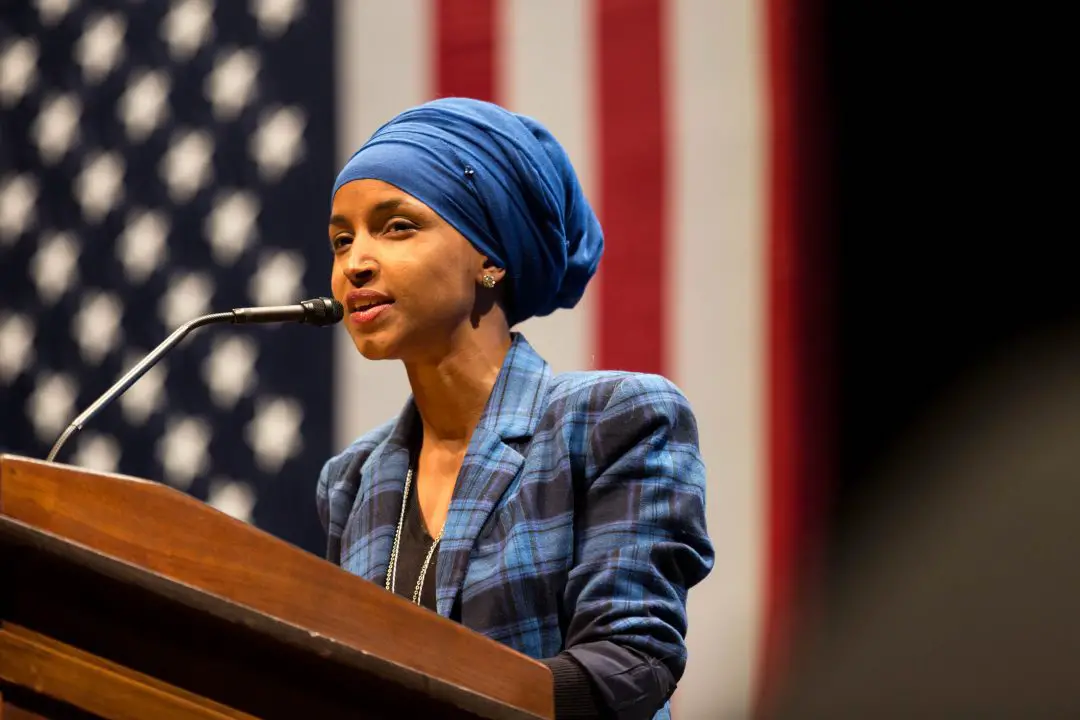
Rep. Ilhan Omar faced tough questions during a recent televised interview as she was asked to account for how an enormous fraud scheme in Minnesota grew to such staggering levels before authorities intervened.
Omar responded that many aid programs were rushed into operation and relied heavily on outside organizations, which she said were allowed to operate without sufficient oversight. She noted that the rapid rollout created gaps where bad actors were able to exploit the system.
The issue has gained national attention following the exposure of a widespread meal-aid scandal in which hundreds of millions of dollars intended to feed children were allegedly diverted through fabricated meal counts and fake rosters. Several individuals with ties to Omar’s broader political and community network have been charged or convicted, intensifying scrutiny on her district and raising questions about how the scheme grew unchecked for so long.
Critics argue that inadequate supervision allowed the fraud to flourish and that elected officials should have recognized warning signs earlier. Omar has maintained that responsibility lies primarily with state agencies and nonprofit partners who handled day-to-day operations.
The investigation continues, and calls for stronger safeguards are growing as lawmakers seek ways to prevent similar abuses in future aid programs.