
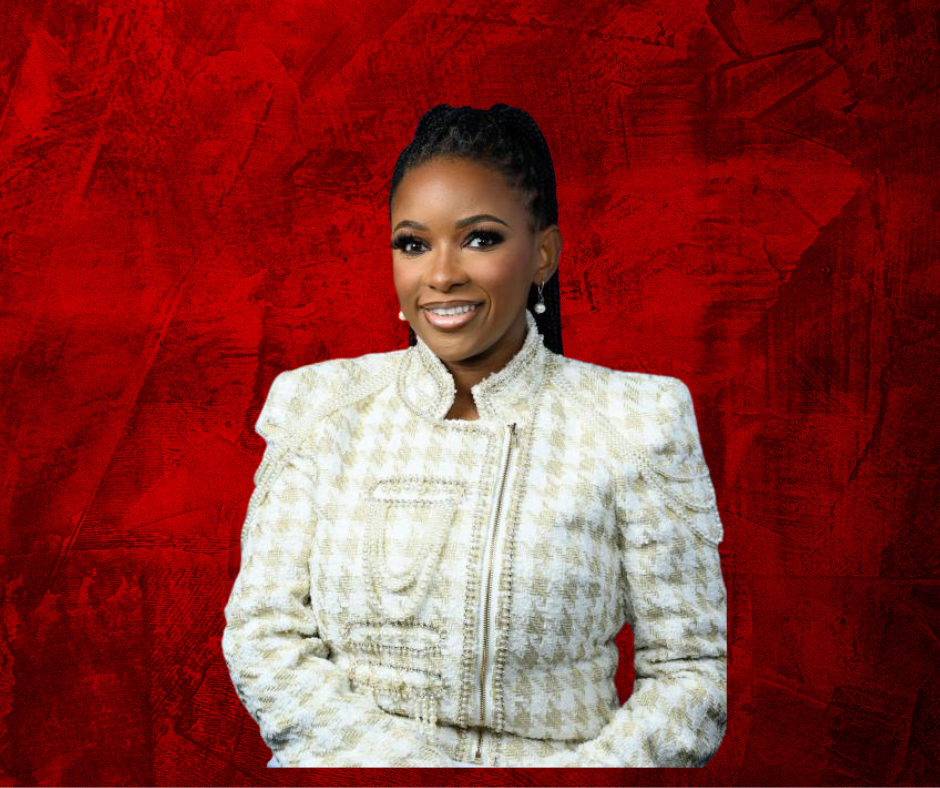
Crockett has accused a group of liberal podcast hosts of injecting racial bias into their criticism of her campaign, sparking a heated exchange in political media circles.
Crockett claimed that the commentary directed at her campaign crossed beyond policy debate, asserting that some critics framed their analysis in ways she believes were motivated by her race rather than her political positions. The candidate’s remarks came during interviews and social media posts responding to episodes from popular progressive podcast personalities who have regularly dissected her campaign messaging and qualifications.
In rebuttals, the podcast hosts denied any racial intent, arguing their critiques were grounded in policy disagreements and electoral strategy assessments. They emphasized that robust political commentary sometimes involves sharp language and pointed analysis, particularly when covering controversial or high-profile campaigns.
The dispute has attracted attention from pundits and commentators on both sides of the political spectrum, reigniting discussions about the role of identity in political criticism and the responsibility of media figures to avoid bias in their coverage.
Crockett’s campaign reiterated its focus on key issues — including economic policy, immigration, and social concerns — while asserting that all candidates deserve evaluation based on their platforms and records rather than personal attributes. The exchange highlights how political commentary and candidate responses can quickly evolve into broader debates about motivation and media framing.