
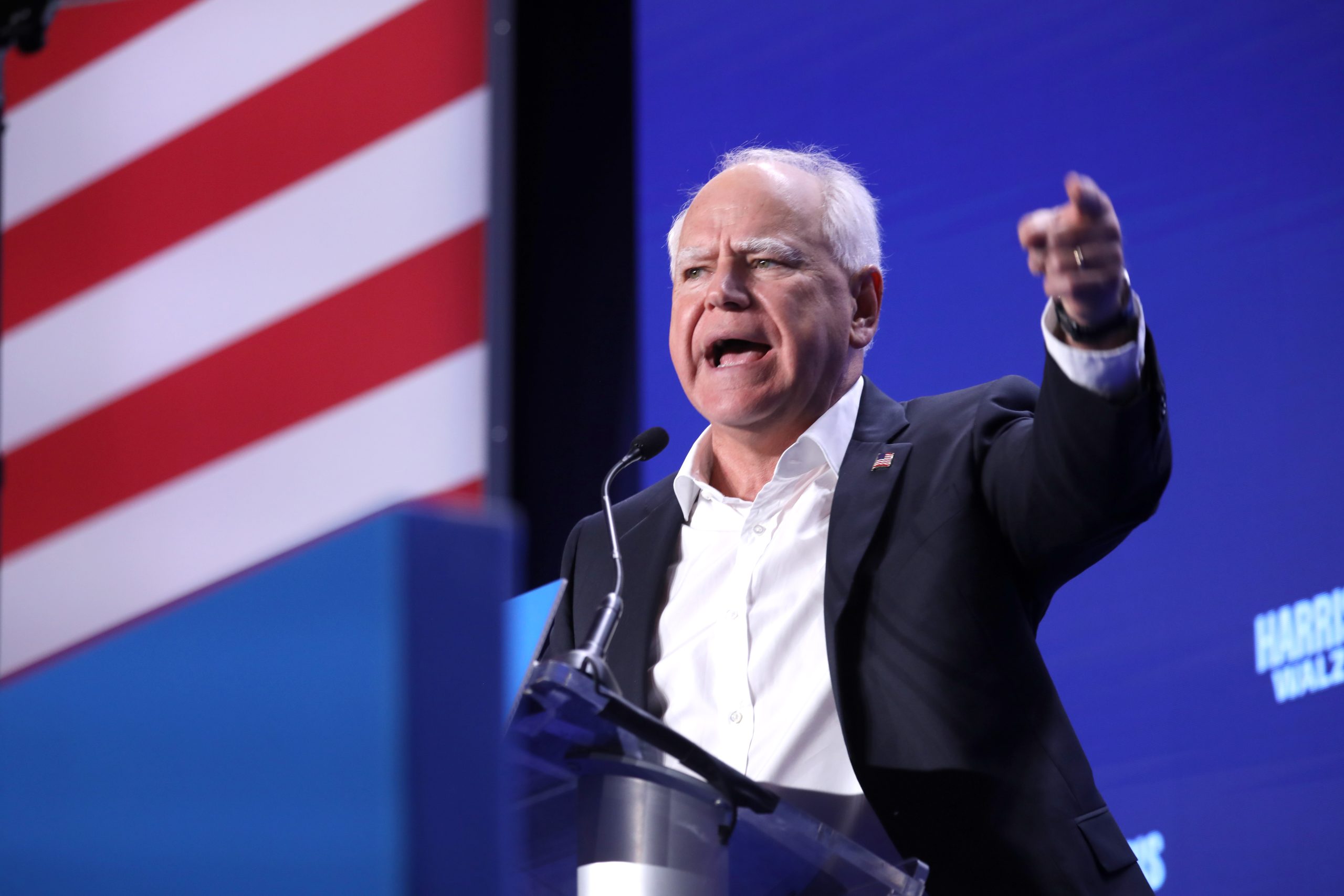
The head of a major police union in Minnesota has publicly criticized state leadership after **Governor Tim Walz agreed to have the state’s top law enforcement official work alongside the federal Border Czar to address ongoing unrest and public safety challenges.
Union leaders expressed disappointment and concern, arguing that Minnesota’s law enforcement priorities are being reshaped by political negotiations rather than focusing solely on community safety. They said the decision could dilute the authority of local police and complicate command structures during times of heightened tension.
The governor’s agreement came in the wake of controversial federal immigration enforcement operations in the state, which have prompted protests and sharp debate over how best to maintain order. Walz’s plan pairs the state’s chief law enforcement officer with the federal position informally known as the Border Czar, a point person overseeing immigration enforcement efforts and coordination among agencies.
Law enforcement representatives worry that this arrangement might blur lines of accountability and draw state resources into federal policy disputes, diverting attention from local crime challenges. They argued officers on the ground need clear leadership and support tailored to Minnesota’s specific needs.
Supporters of the governor’s approach say enhanced coordination between state and federal law enforcement roles is intended to improve communication and response capabilities amid ongoing unrest. They maintain the collaboration could help streamline operations and reduce friction between agencies.
The police union’s rebuke underscores rising tensions between law enforcement officials and political leaders over strategy, resource allocation, and the role of federal authorities in state and local matters. As discussions continue, Minnesota’s public safety plans remain under scrutiny from both law enforcement advocates and political observers.