
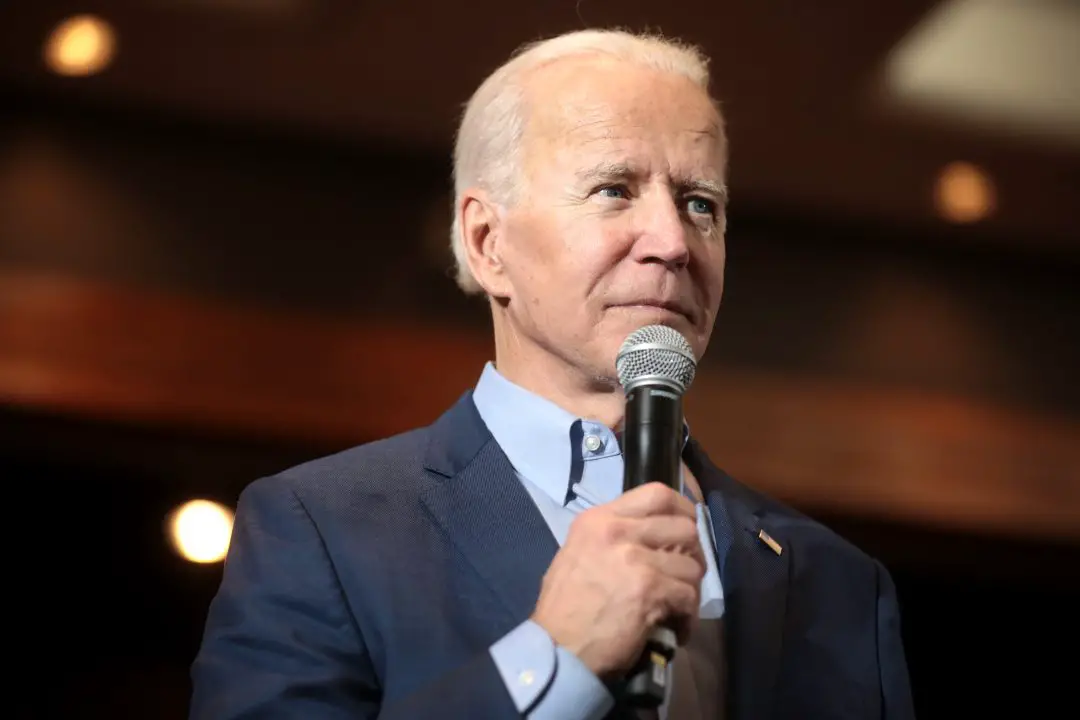
A growing controversy is emerging over claims that a tight-knit group of advisers and family members within President Joe Biden’s inner circle played an outsized role in running White House operations, particularly as questions mounted about his cognitive fitness during his term.
The group, described by some as operating like a political “Politburo,” allegedly consisted of longtime aides and close relatives who influenced major policy decisions, messaging, and even access to the President. Among those reportedly central to this informal power structure were senior advisers and members of Biden’s immediate family, including First Lady Jill Biden and Hunter Biden.
Insiders say this small collective often bypassed formal cabinet channels, making decisions that would traditionally involve broader consultation. Their involvement, according to critics, blurred the lines between official governance and private influence, prompting concerns about transparency and accountability at the highest levels of government.
The term “Politburo,” a reference to the centralized decision-making bodies of authoritarian regimes, reflects growing unease over the perception that power was concentrated in the hands of a few unelected individuals during Biden’s presidency.
These allegations have reignited debates about executive leadership, particularly when a president’s ability to perform duties is called into question. The situation has fueled discussions about implementing clearer checks and balances to ensure future administrations are guided by structured authority—not informal circles operating behind closed doors.