
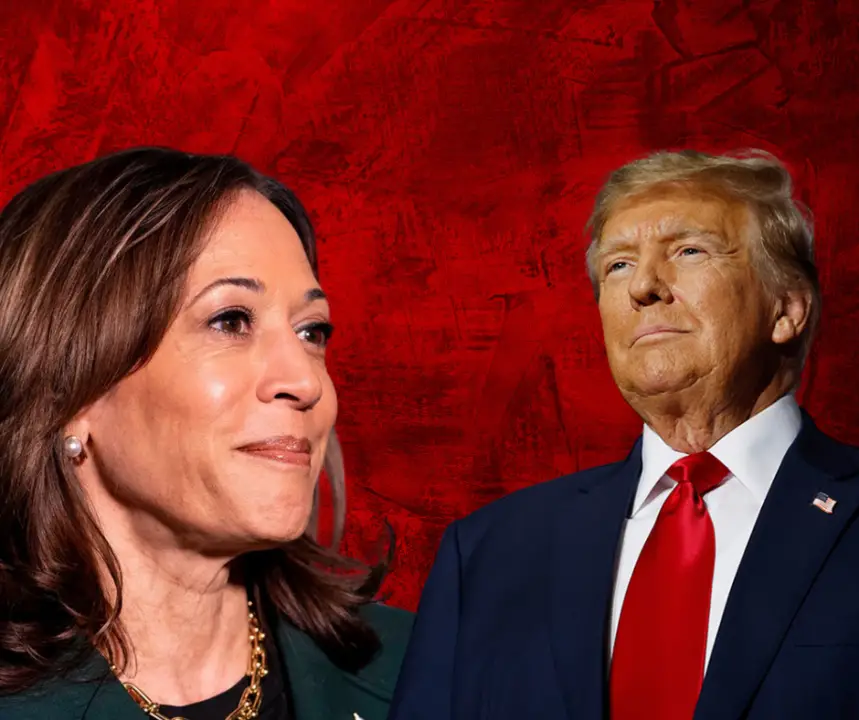
A veteran journalist has pointed to the 2024 election results as evidence that many “Never Trump” Republicans and members of the liberal media misjudged the broader electorate, operating within what he described as a “blue bubble.” This term refers to a perceived disconnect between coastal elites and the rest of the country, particularly voters in rural and working-class regions.
The journalist argued that this insular perspective led to overconfidence among Trump’s opponents, who underestimated his appeal to a significant portion of the American population. He suggested that media outlets and political commentators focused too heavily on polling and narratives aligned with liberal ideologies, failing to account for the economic and cultural concerns driving support for Trump.
The commentary highlights how assumptions about voter behavior, shaped by biases within media and political circles, contributed to the shock over Trump’s win. Critics of the media have long argued that its coverage disproportionately reflects the values and priorities of urban, progressive communities, leaving little room for understanding the perspectives of more conservative voters.
The analysis serves as a reminder of the importance of journalistic objectivity and the need for broader representation in media narratives. As the political landscape evolves, the focus on bridging the divide between differing voter bases remains a critical challenge for both media and political organizations.