
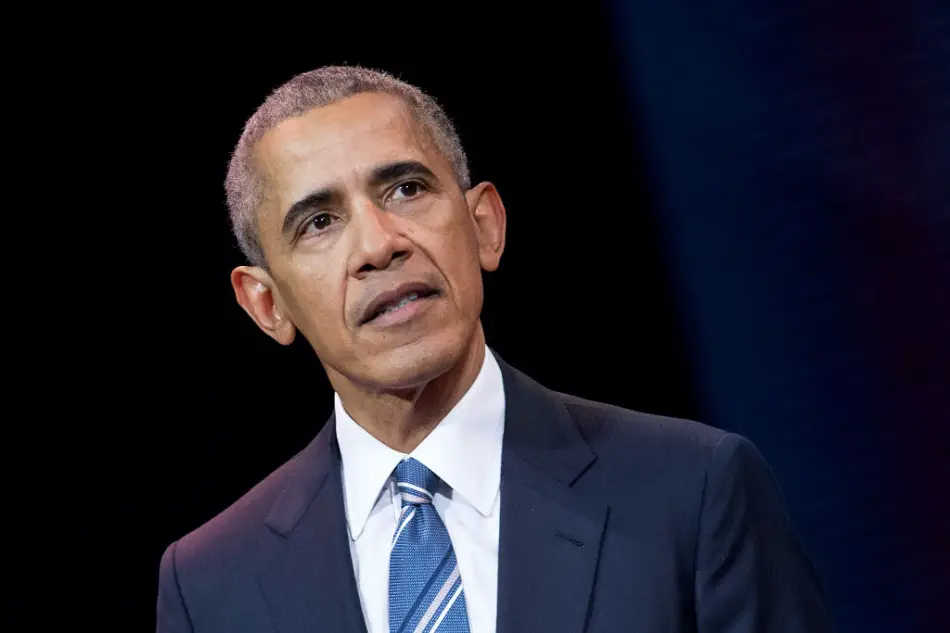
Former President Barack Obama is facing criticism from progressive strategists who claim his policies and rhetoric have increasingly catered to elite interests. The critiques stem from concerns within progressive circles that his approach has prioritized the preferences of affluent and influential individuals over addressing systemic inequalities affecting marginalized communities.
Critics argue that this alleged focus on elite agendas has alienated grassroots activists and working-class voters who once viewed Obama as a champion of progressive causes. They point to policy decisions and public statements they believe reflect an alignment with corporate and establishment interests, diminishing his appeal to the broader progressive movement.
Supporters of Obama have pushed back against these claims, highlighting his administration’s accomplishments in expanding healthcare access, advancing social justice, and promoting economic recovery during his tenure. They argue that his pragmatic approach often required balancing progressive ideals with the realities of governance and bipartisan compromise.
The debate over Obama’s legacy underscores a larger ideological divide within the Democratic Party. As progressives push for bold reforms and systemic change, centrist Democrats emphasize pragmatic strategies to build coalitions and achieve incremental progress. This tension continues to shape the party’s direction and approach to addressing issues such as income inequality, climate change, and healthcare reform.
The critique of Obama reflects a broader dissatisfaction among some progressives who feel their voices are not adequately represented in mainstream political discourse. The ongoing dialogue highlights the challenge of uniting diverse factions within the Democratic Party while addressing the concerns of voters across the political spectrum.