
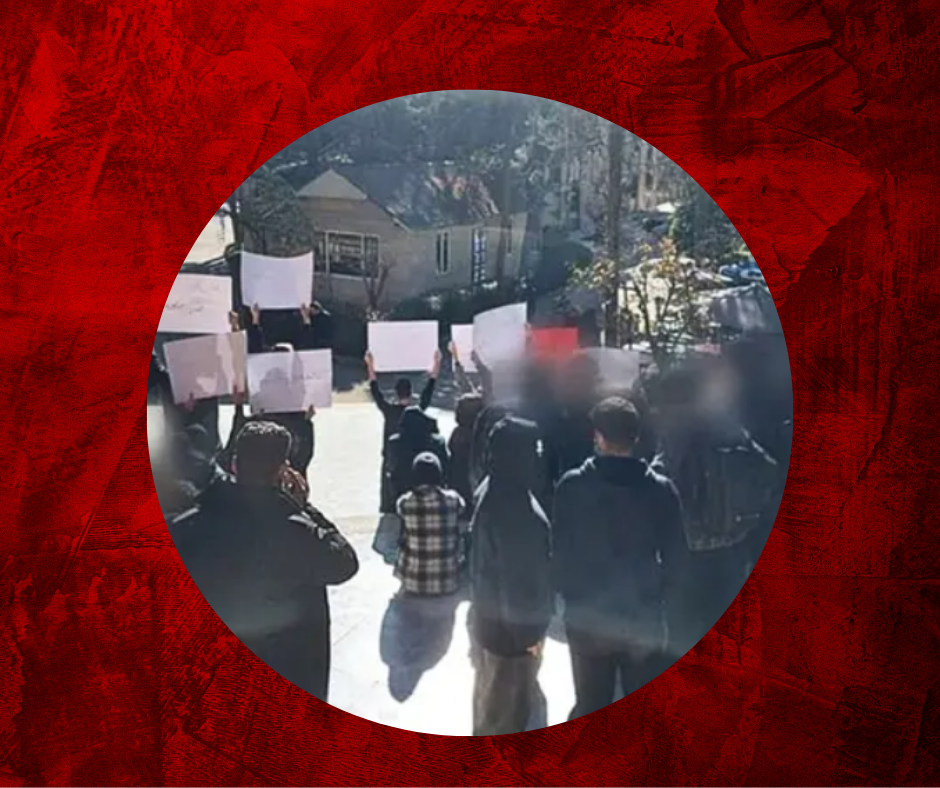
Widespread demonstrations continued to ripple across Iran, with thousands taking to the streets in multiple cities to express discontent with the government. The unrest shows few signs of abating, as protesters have maintained pressure on Iranian authorities with chants and gatherings that reflect long-standing grievances.
Iran’s leadership responded to the growing unrest with stern rhetoric, warning that U.S. military personnel in the region could be considered “legitimate targets” if Washington interferes in Iran’s internal affairs. The statement marked a sharp escalation in language and underscored Tehran’s readiness to confront foreign involvement in its domestic situation.
The warnings came shortly after President Donald Trump issued his own caution to Iranian leaders, urging restraint and threatening unspecified consequences if American forces were harmed. That message from Washington appeared aimed at deterring regional escalation, but Tehran’s counterstatement signaled deepening tensions.
Reports from the ground indicate that security forces have been deployed in key urban centers in an effort to control crowds, and at times clashes have erupted between demonstrators and police. Protesters’ motivations have varied, touching on economic hardship, political repression, and demands for greater freedoms.
International observers have noted the scale of the protests and the Iranian regime’s dual approach of firm public warnings abroad while attempting to suppress dissent at home. Diplomatic channels remain active as U.S. officials and allies monitor the situation closely.
The unfolding events highlight a fragile moment in the region, with the potential for both internal upheaval within Iran and broader geopolitical ramifications if the standoff with the United States intensifies.