
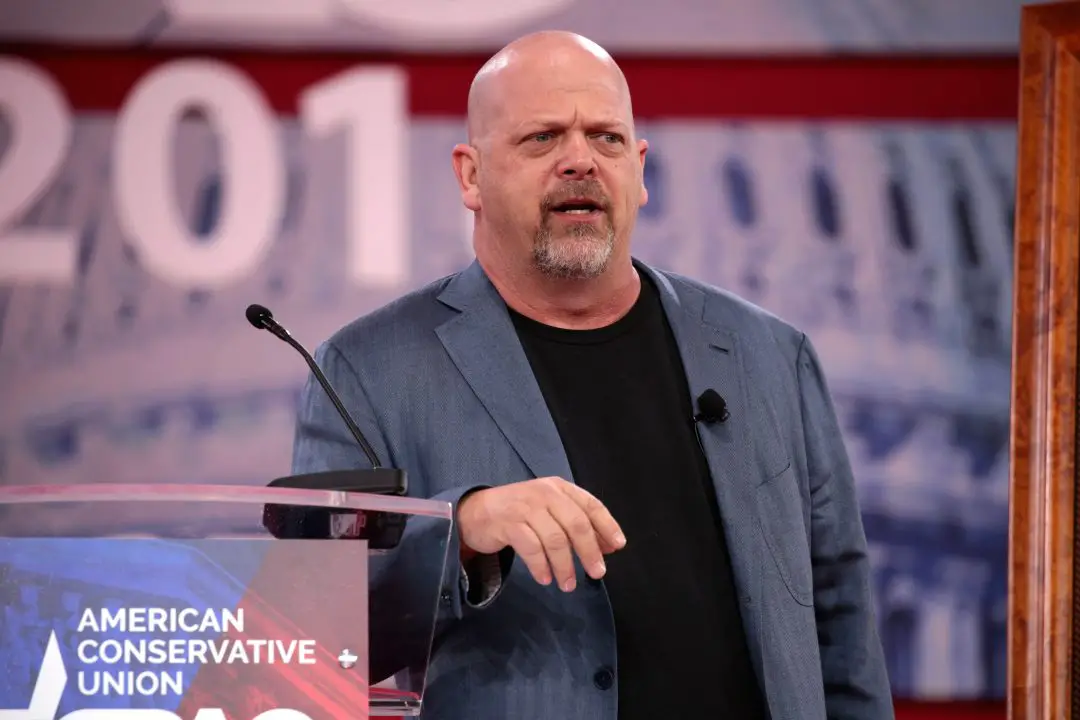
Rick Harrison, the renowned figure from the television series “Pawn Stars,” has publicly criticized the United States’ border policies amidst the ongoing fentanyl crisis, following the tragic death of his son, Adam Harrison, from a fentanyl overdose. In a heartfelt interview with Fox News Digital, Harrison shared his grief and outrage over the circumstances leading to his 39-year-old son’s demise last month, emphasizing the perceived failure of politicians to address the drug epidemic effectively.
Expressing deep admiration for former President Donald Trump, Harrison recounted his recent meeting with Trump, highlighting their shared concern over the fentanyl issue. Harrison described Trump as deeply committed to combating the crisis and lamented the current state of border policy as “insane,” blaming it for making deadly substances like fentanyl readily accessible in the United States.
Harrison’s criticism extended to the broader political landscape, accusing politicians of being “complicit” in the deaths caused by fentanyl by failing to take decisive action against drug trafficking. He argued for more stringent border control measures and legal consequences for those involved in the drug trade, proposing that selling fentanyl should be considered equivalent to attempted murder due to its lethal potency.
The “Pawn Stars” personality also touched upon the devastating impact of drug addiction on families and communities, sharing his son’s long battle with substance abuse. Despite years of struggle and multiple attempts at rehabilitation, Adam’s life was ultimately claimed by addiction, a loss that Harrison described as both infuriating and deeply saddening.
Harrison called for a comprehensive approach to tackle the fentanyl crisis, including tighter border security, harsher penalties for drug dealers, and a reevaluation of drug policies that he views as too lenient. His impassioned plea reflects a growing sentiment among Americans who demand more effective solutions to the opioid epidemic, highlighting the need for policy changes that prioritize public safety and the well-being of future generations.