
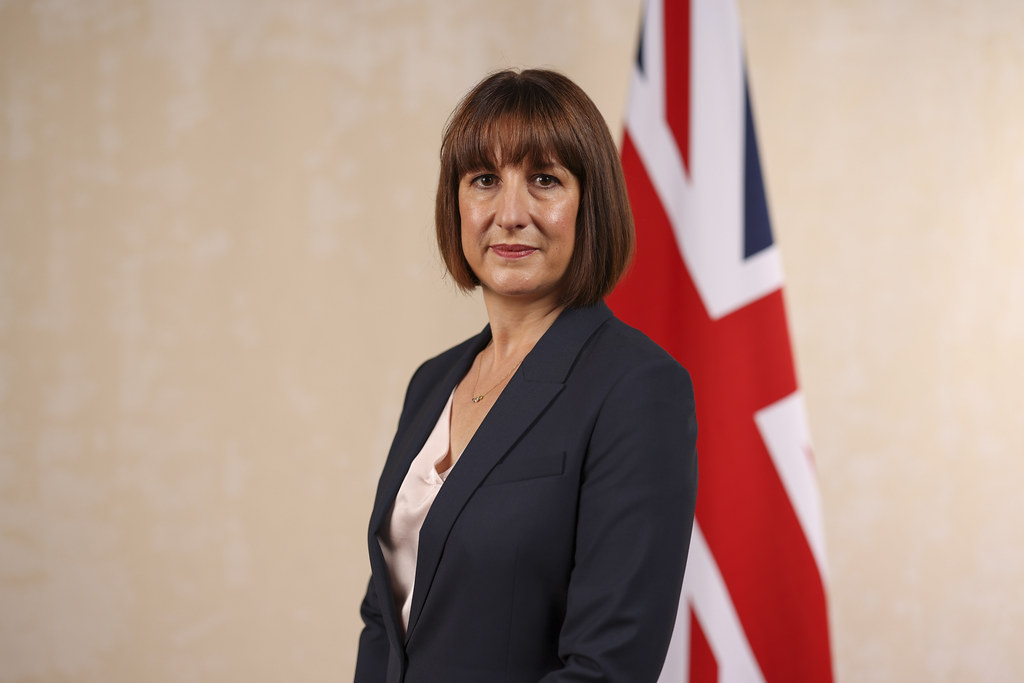
Chancellor Rachel Reeves is reportedly weighing a rise in income tax—the very measure her party’s manifesto pledged to avoid—in an effort to plug an estimated £30 billion hole in the public finances ahead of the upcoming budget.
Officials say the Treasury is actively debating whether a modest increase, such as adding 1 p to the basic income tax rate, would raise approximately £8.2 billion a year, while focusing higher tax increases only on top earners would bring in dramatically less revenue. The deliberations arise after forecasting revisions by the Office for Budget Responsibility (OBR) revealed a sharp downturn in productivity growth, cutting into long-term tax receipts.
Reeves has so far declined to confirm any changes, but sources indicate she is mindful of the political risk of reneging on the no-income-tax-rise commitment. The move is seen as an attempt to create headroom in the public finances and avoid further tax hikes later in the Parliament. Ministers supporting the shift argue that a one-off tax increase now could help stabilise finances and uphold borrowing rules.
However, the idea has ignited concern inside her party: several Labour backbenchers warn that breaking a flagship pledge may fuel disaffection among voters already reeling from cost-of-living pressures. Outside analysts say the proposed tax rise might hit lower-income households the hardest if it is applied broadly, and they caution the government must accompany any change with clear messaging on fairness and fiscal discipline.
The full budget, expected next month, will reveal whether Reeves opts for this tax route or instead combines real-terms freezes in tax thresholds, targeted national insurance adjustments, and spending reforms—each of which carries its own economic and political costs.