
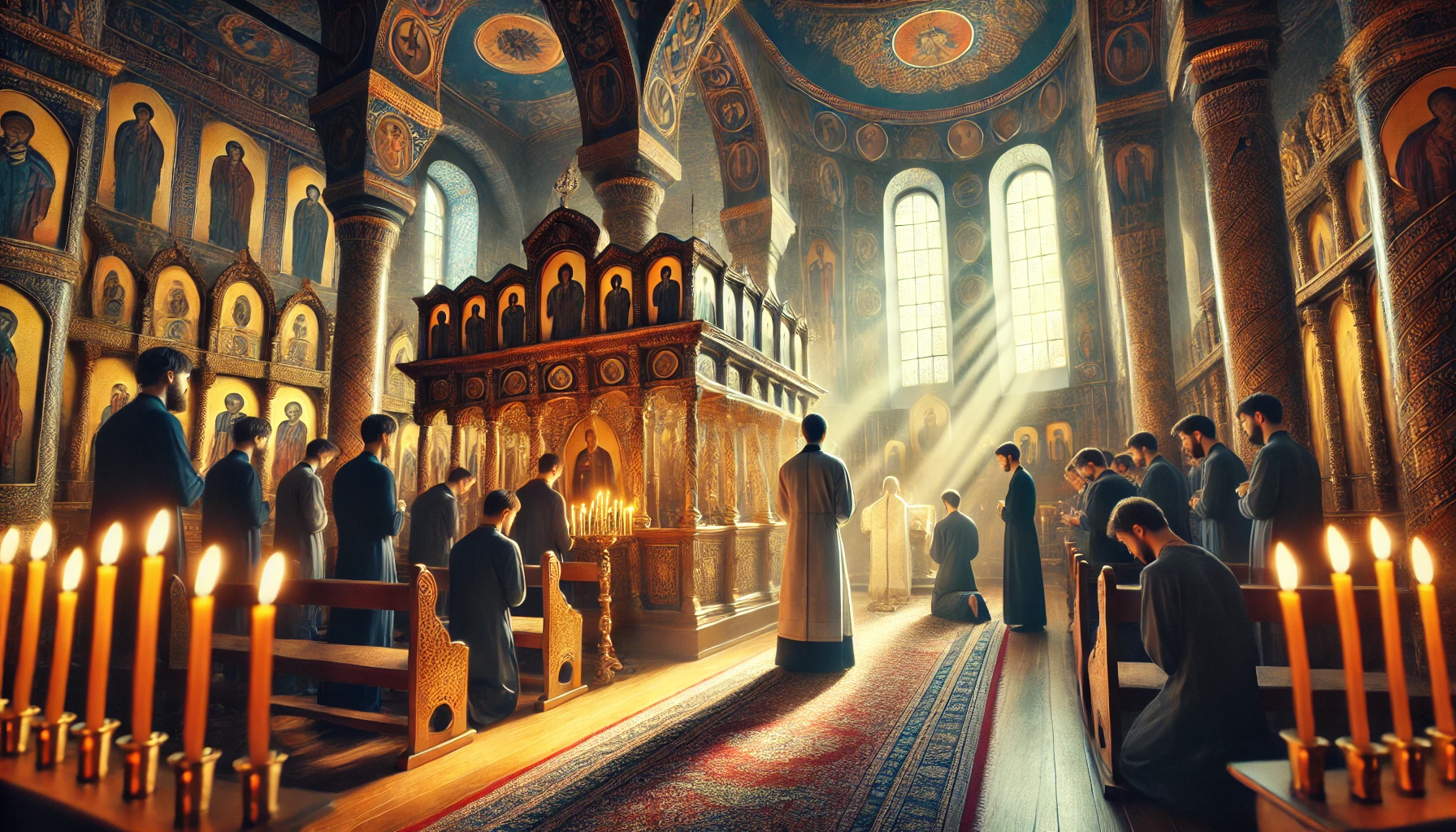
A growing number of young men in the United States are turning to Orthodox Christianity, a trend that is sparking discussions about faith, culture, and identity in modern society. This shift, often seen as a move toward tradition and structure, comes at a time when many young people are seeking deeper meaning in their spiritual lives amidst a rapidly changing world.
Orthodox Christianity, known for its ancient liturgical practices and emphasis on community and discipline, has seen a noticeable rise in interest from young men who are drawn to its theological depth and countercultural stance. Many converts cite the church’s focus on timeless values, its resistance to modern secular influences, and its commitment to spiritual discipline as key reasons for their decision.
Experts suggest that this trend reflects a broader search for stability and order among younger generations who feel disillusioned by the fragmentation of modern culture. The traditional rituals and teachings of Orthodox Christianity, including fasting, structured prayer, and its rich historical lineage, offer a sense of grounding that many find appealing.
Social media and online platforms have also played a significant role in this surge. Communities dedicated to discussing Orthodox theology and lifestyle have flourished, providing a space for young men to explore the faith and connect with others on similar spiritual journeys. Prominent figures and influencers who have publicly converted to Orthodoxy have further amplified this movement.
While the trend has been celebrated by many within the Orthodox Church as a revival of interest in its ancient practices, it has also sparked debates about the motivations behind the conversions. Critics have questioned whether the appeal is primarily rooted in genuine spiritual conviction or a reactionary response to modern societal changes.
The influx of young converts is reshaping some Orthodox communities in the United States, bringing fresh energy to parishes while also posing challenges in integrating newcomers into established traditions. Clergy and church leaders are working to balance the enthusiasm of new members with the church’s deeply ingrained practices and values.
As more young men turn to Orthodox Christianity, the phenomenon is likely to continue shaping conversations about faith, tradition, and the role of religion in a rapidly evolving cultural landscape.