
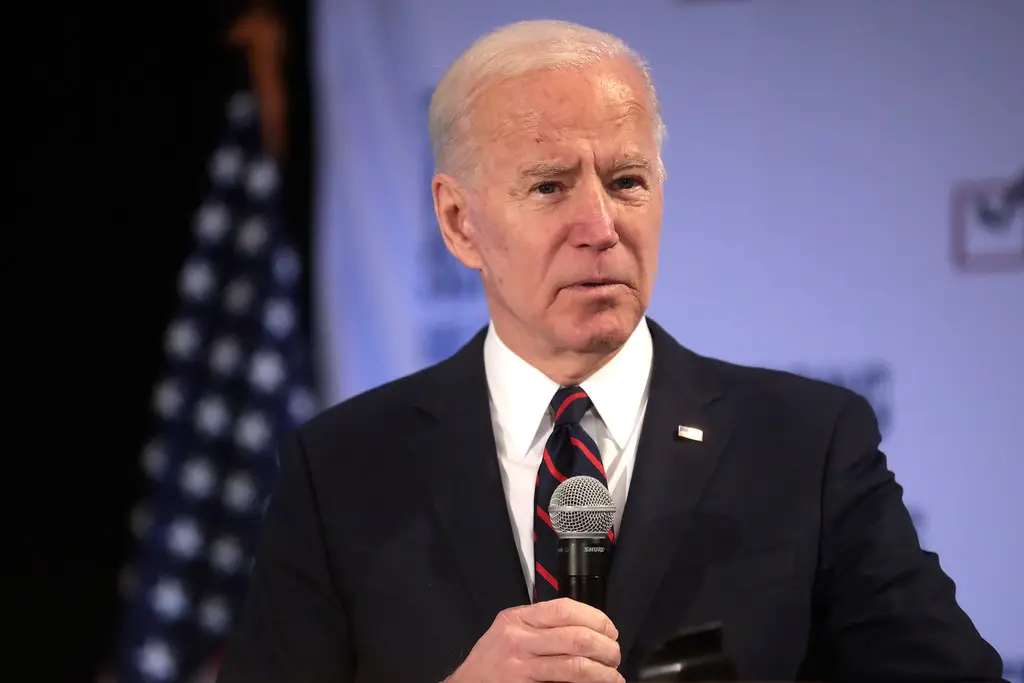
A newly released document from the House Oversight Committee challenges the legitimacy of numerous executive actions taken during former President Joe Biden’s administration, raising serious questions about their validity.
According to the 91-page report, senior White House staff are accused of orchestrating Biden’s public appearances, curtailing his workload and directing major decisions without his full engagement. One key finding: dozens of remaining pardons and clemencies were processed using a signature system known as an “autopen,” but with insufficient records showing that Biden personally authorised them.
In interviews cited in the report, senior aides admitted they could not confirm who operated the autopen or whether each decision was directly approved by Biden himself. At least three high-ranking officials declined to testify, invoking their Fifth Amendment rights—another red flag noted by the panel.
The document also criticises Biden’s longtime physician, who is accused of misrepresenting the President’s fitness to Congress. The committee’s conclusion: in absence of definitive evidence of Biden’s own approval, some executive actions should be deemed “void.”
The panel has formally referred its findings to the Justice Department, requesting an investigation into whether criminal misconduct occurred.
The White House rejected the report’s claims, stating that Biden reviewed and authorised all critical decisions during his presidency. Democrats on the committee dismissed the report as a politically driven effort with little evidentiary basis.
With broad implications for presidential authority and document validity, the report adds a complex new dimension to debates over executive accountability and constitutional oversight.