
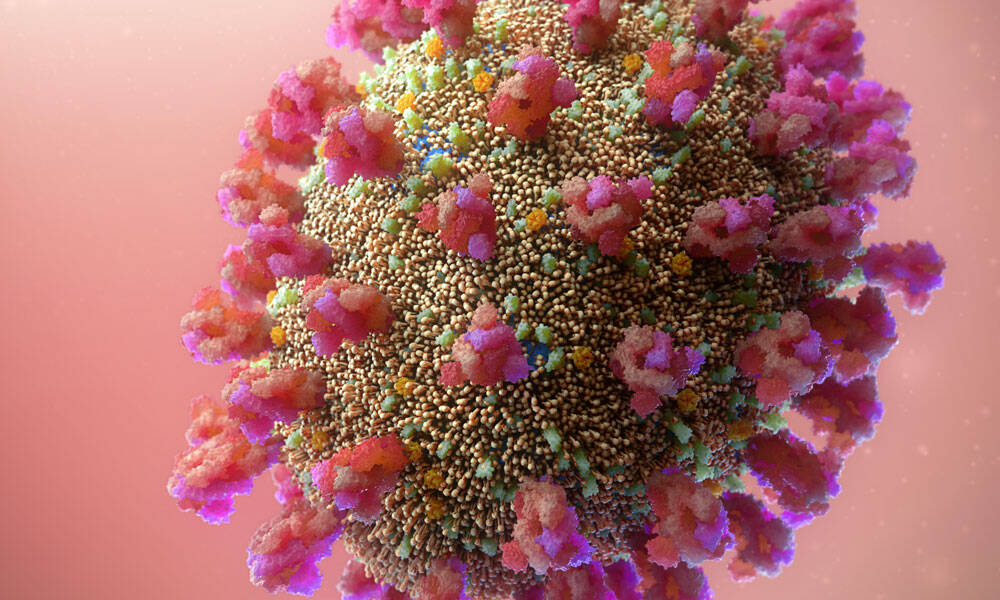
A novel bat-derived coronavirus, HKU5-CoV-2, has been identified by scientists at the Wuhan Institute of Virology. This virus has the ability to bind to human cellular receptors. This discovery raises concerns regarding the potential for cross-species transmission to humans.
The research, which was conducted by virologist Dr. Shi Zhengli and published in the journal Cell, suggests that HKU5-CoV-2 exhibits substantial similarities to the virus that caused the COVID-19 pandemic. The bat virus’s ability to efficiently attach to human ACE2 receptors in laboratory experiments has been demonstrated, thereby facilitating its entry into human cells.
Although HKU5-CoV-2 has not been identified in human populations, its capacity to infect human cells emphasizes the importance of ongoing research and vigilant monitoring. The significance of proactive surveillance of coronaviruses in wildlife to anticipate potential zoonotic epidemics is underscored by the results of the study.
This discovery has reignited debates about the origins of the COVID-19 pandemic and the role of wildlife reservoirs in the emergence of infectious diseases. The Wuhan Institute of Virology has been a focal point in the ongoing discussions regarding the initial pandemic, as a variety of theories have been proposed to explain the virus’s transmission to humans.
The ongoing risk posed by coronaviruses circulating in bat populations and the critical need for comprehensive research to comprehend their potential impact on human health are underscored by the identification of HKU5-CoV-2.