
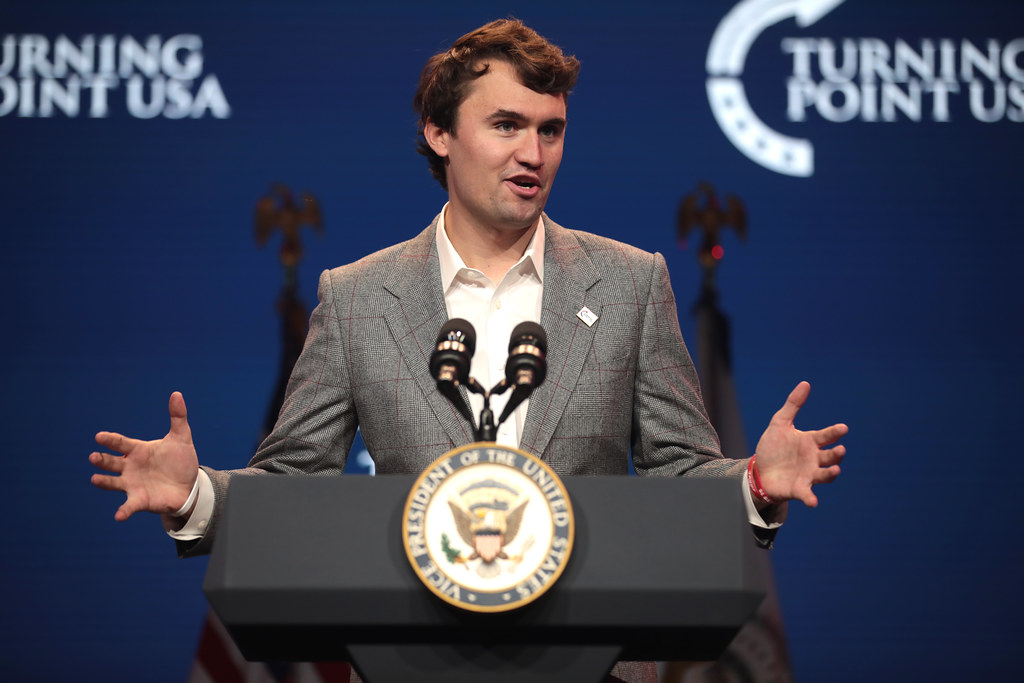
Experts are raising the alarm that recent political killings—most notably of Charlie Kirk and Brian Thompson—may be fueling a growing norm in which violence is seen as a valid response to political disagreement.
Here’s what has emerged:
- Political violence incidents have surged. In the first half of 2025, there were approximately 150 politically motivated attacks—nearly double the number during the same period in 2024.
- Analysts suggest that rhetoric on social media, partisan divides, and ideological echo chambers are contributing to an environment where threats and violent ideas are becoming more normalized.
- The murders of high-profile figures like Kirk (a conservative activist) and Thompson (a healthcare executive) are seen as turning points that may lower the bar for what is considered acceptable political conflict.
- Researchers warn that this could spark a “vicious spiral,” where one act of violence leads to retaliation, further division, and instability.
- Calls are growing for reforms around how political speech is regulated, how public figures are protected, and how social platforms manage violent or extremist content.
This moment is increasingly viewed not just as a serious crime wave, but as a test of how democracy handles political anger and conflict.