
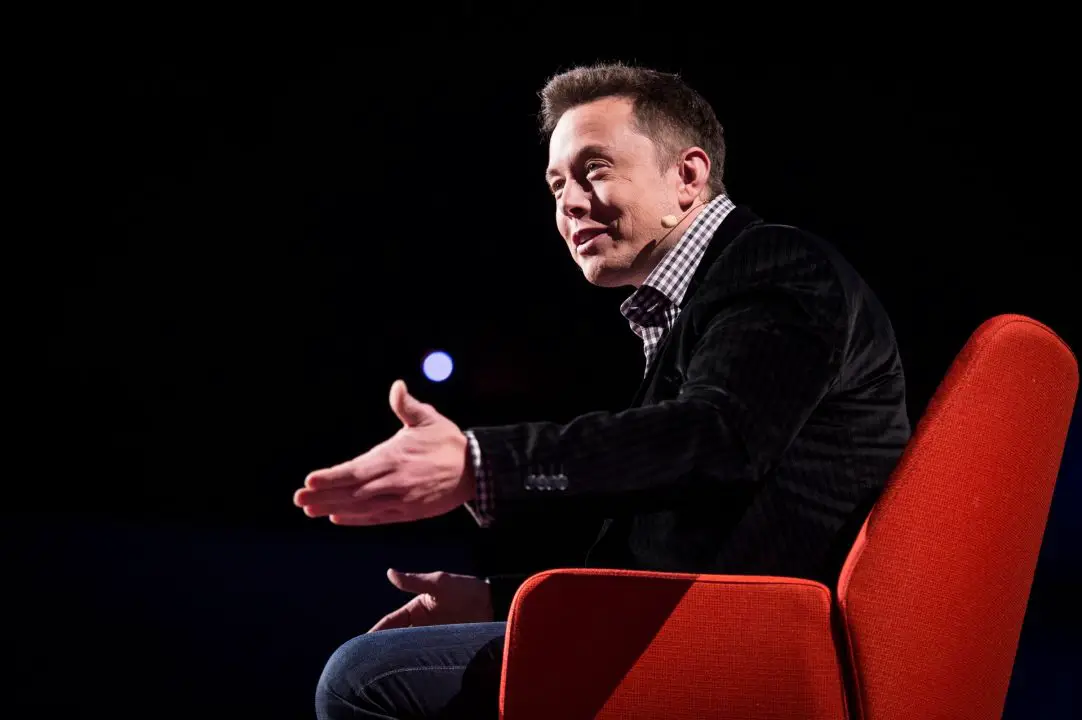
A coalition of left-wing organizations has been actively financing and organizing protests at Republican offices across the United States, opposing the Department of Government Efficiency (DOGE) initiatives led by Elon Musk. These demonstrations have been particularly prominent in cities such as Austin, Birmingham, Tampa, and Washington, D.C.
The 5051 Movement, a key organizer of these protests, has been vocal against the Trump administration’s efforts to reduce government spending through DOGE. Their demonstrations have featured slogans like “Deport Musk!” and “Trump and Musk have got to go!” The movement describes itself as a vision representing the American dream and frames its activities as part of a modern-day civil rights struggle.
However, not all voices within the activist community support these protests. Mark Fisher, executive director of Black Lives Matter (BLM) Inc., who voted for Donald Trump in 2024, criticized the demonstrations as “performative” and likened them to actions from “George Soros’ playbook.” Fisher contends that such protests are the result of “sore losers” and argues that Americans are weary of continuous demonstrations, suggesting that the Trump administration should be given an opportunity to implement its policies.
The protests have sparked a broader debate about the role of external funding in grassroots movements and the authenticity of such demonstrations. While some activists view the protests as a necessary response to policies they believe harm vulnerable communities, others see them as counterproductive and driven by external influences rather than genuine grassroots concerns.
As the Trump administration continues its efforts to streamline government operations through DOGE, it remains to be seen how these protests will influence public opinion and policy decisions. The involvement of prominent left-wing organizations and the criticisms from within activist circles highlight the complex dynamics at play in the current political landscape.