
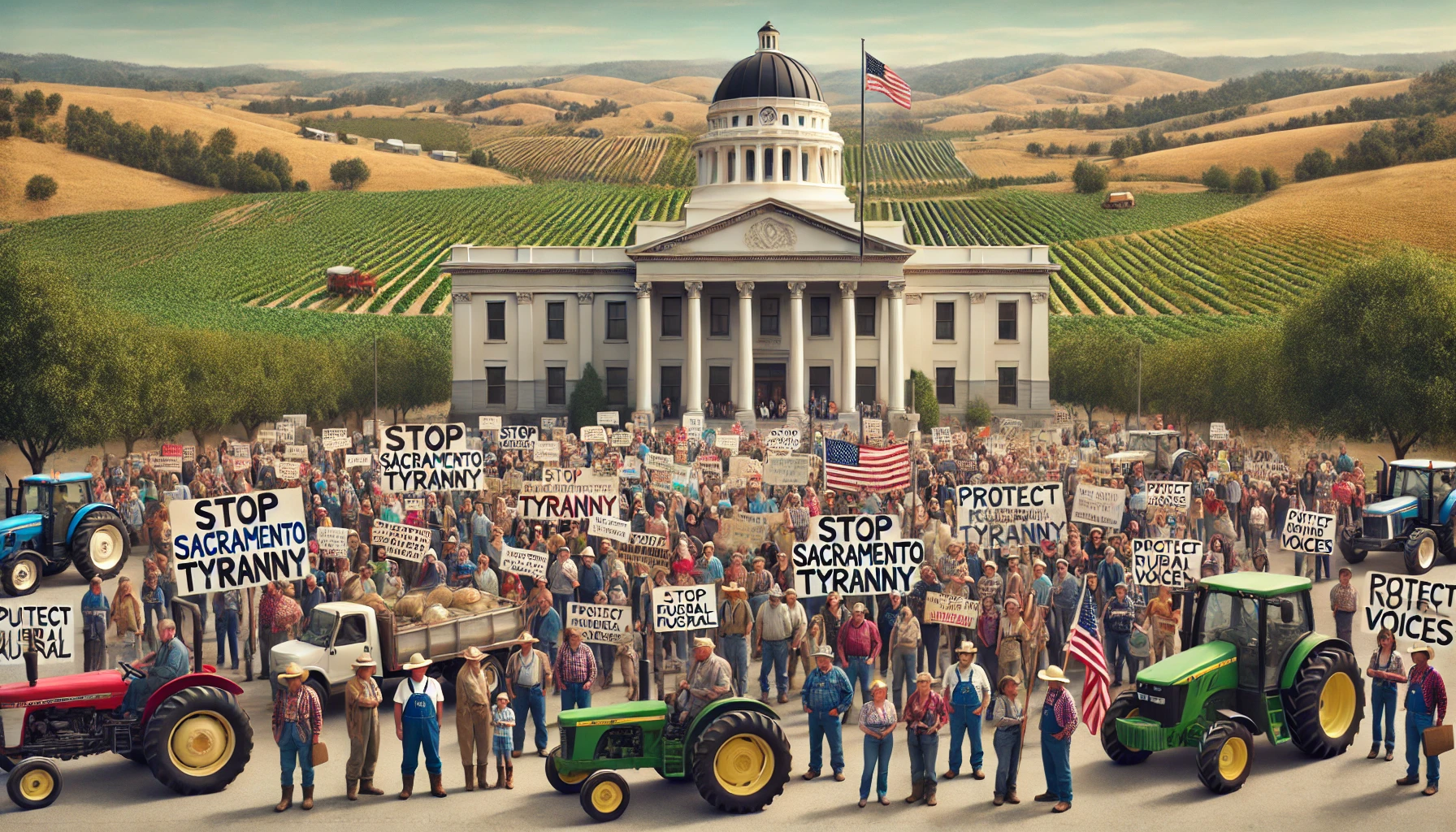
A growing movement in rural regions is pushing to sever ties with major urban centers to create a new conservative-leaning state. Advocates argue that the political and cultural differences between rural areas and large metropolitan hubs have become too vast to reconcile, prompting a call for autonomy.
This grassroots initiative, gaining traction in several states, seeks to address what rural residents perceive as underrepresentation and policy neglect in state legislatures dominated by urban interests. Supporters claim that their communities are overshadowed by the priorities of city-dwelling populations, leading to frustration over issues such as taxation, gun rights, and resource management.
Proponents of the split point to stark contrasts in voting patterns and legislative agendas as evidence of the divide. They argue that rural areas deserve a governance structure that better aligns with their values and priorities. “We’re simply asking for fair representation and a government that works for us,” one organizer explained.
However, critics have raised concerns about the feasibility of such a separation. They warn that dividing states could result in economic instability, strained public services, and logistical challenges in establishing new governance systems. Legal experts also note that state secession efforts would face significant hurdles, requiring approval from both the state legislature and Congress.
Despite these obstacles, the movement continues to gain momentum, with public meetings and petition drives emerging in affected areas. Advocates remain optimistic, framing their cause as a fight for self-determination and equitable representation.
Whether this push will materialize into actionable change remains uncertain, but it highlights a deepening cultural and political rift between rural and urban communities across the United States. As discussions progress, both sides acknowledge the need for dialogue to address the growing divide.