
Tensions between Moscow and the North Atlantic Treaty Organization (NATO) surged again this week after Lithuania accused Russia of violating its airspace — the latest in a growing string of aerial provocations near the alliance’s eastern border.
According to Lithuanian defense officials, a Russian Su-30 fighter jet and an IL-78 refueling aircraft crossed roughly 700 meters into Lithuanian territory before retreating after about 18 seconds. The aircraft reportedly departed from Kaliningrad, Russia’s heavily militarized Baltic enclave that borders both Lithuania and Poland.
Vilnius called the incident a “clear breach of sovereignty” and immediately summoned Russia’s ambassador to lodge a formal protest. President Gitanas Nausėda condemned the intrusion as a deliberate show of force and a violation of international aviation law. “This is not an accident — this is intimidation,” one Lithuanian defense official said during a press briefing.
In response, NATO’s Baltic Air Policing mission scrambled allied fighter jets from a nearby base to intercept the Russian aircraft. The alliance confirmed that the interception occurred without further escalation, but described the event as “highly concerning” given the region’s volatile security climate.
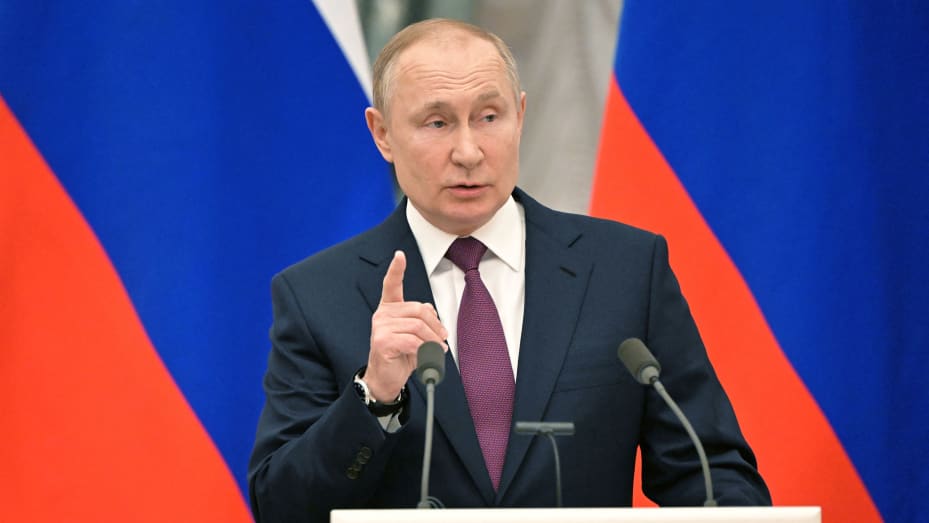
The incursion came just days after Russian President Vladimir Putin warned that Moscow may deploy additional long-range missiles to counter what he called NATO’s “aggressive posturing” near its borders. Analysts say these moves signal an attempt by the Kremlin to test NATO’s readiness while keeping pressure on Baltic states that have supported Ukraine since the full-scale invasion began in 2022.
European diplomats expressed alarm that repeated Russian violations in recent months could provoke an unintended confrontation. NATO’s Article 4 — which calls for urgent consultations among member states when a nation’s territorial integrity is threatened — is reportedly under consideration by several Baltic governments.
Meanwhile, Lithuania’s defense ministry has vowed to strengthen radar coverage and bolster coordination with its neighbors, warning that Russia’s pattern of near-border flights “risks miscalculation with catastrophic consequences.”
The brief airspace breach may have lasted only seconds, but officials across Europe say it underscores an increasingly fragile security environment — one in which even a fleeting provocation could trigger a dangerous chain of military responses.