
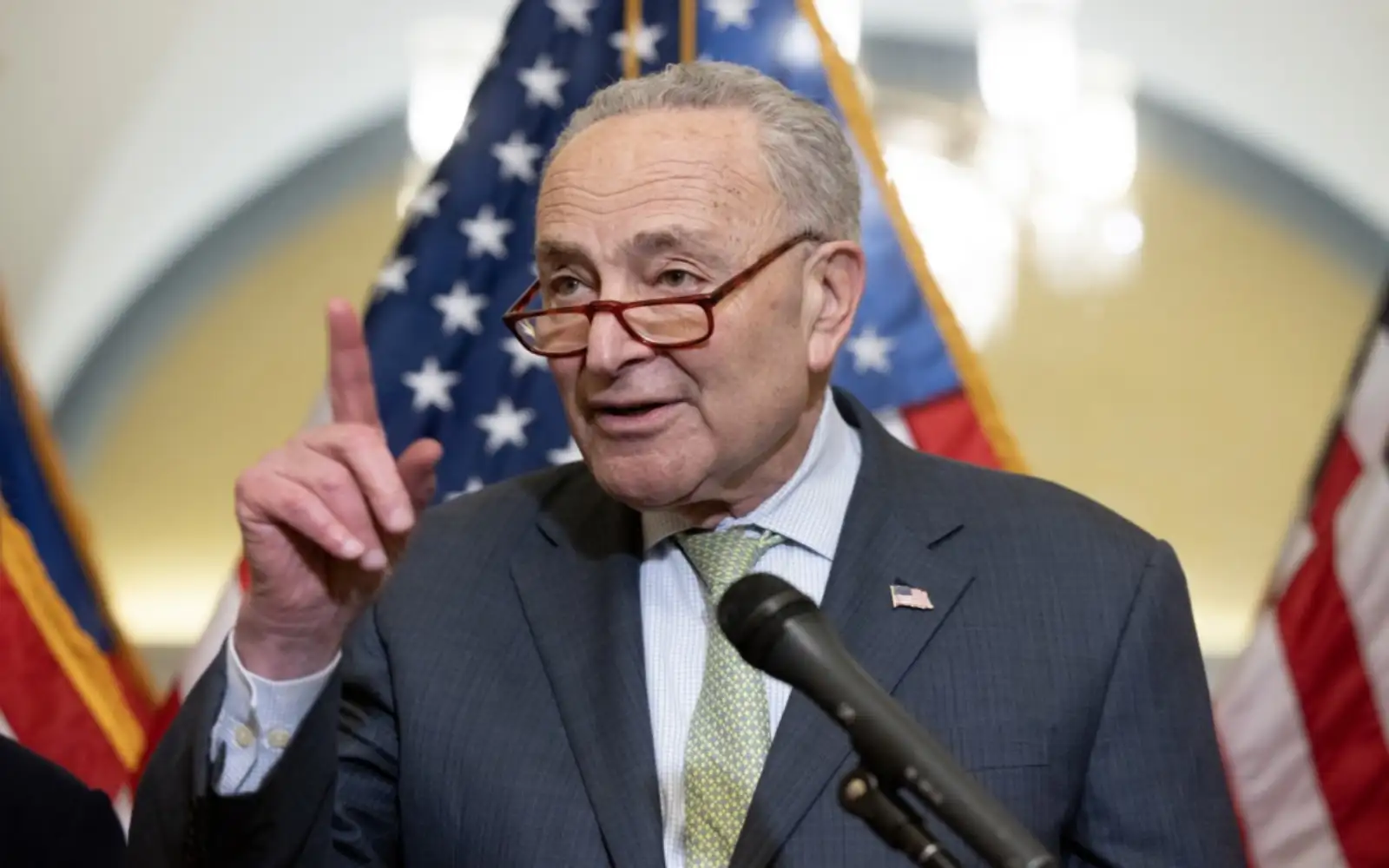
With the fiscal clock ticking, key lawmakers in the U.S. Senate are intensifying efforts to prevent a potential government shutdown, even as several critical policy disagreements remain unresolved.
Senate leaders from both parties acknowledge that the expiration of current funding measures is approaching, and without new appropriations or stopgap legislation, portions of the federal government could face a lapse in funding. Negotiations are ongoing, with lawmakers pushing to reach agreements on multiple fronts.
Among the lingering issues are disputes over healthcare subsidies, defense and domestic spending levels, and immigration policy provisions tied to broader budget talks. These areas have emerged as sticking points, with Republican and Democratic senators advocating sharply different priorities as they work toward a compromise.
In recent days, members of Congress have held caucus meetings and engaged in back-and-forth negotiations aimed at bridging gaps. Some Senate negotiators are exploring short-term funding extensions to buy additional time for resolving more complex disagreements, while others argue that long-term solutions are necessary to provide certainty to federal agencies and programs.
The leadership has stressed the urgency of action, emphasizing that a shutdown would disrupt government services, affect federal employees, and create economic uncertainty. Staffers and committee chairs are drafting legislative text and amendment packages in hopes of building enough support for passage before current funding authorities expire.
While lawmakers signal commitment to avoiding a shutdown, the outcome hinges on whether enough senators can agree on the contentious elements of the budget and related policy riders. The next few legislative sessions are expected to be crucial as negotiations continue under intense time pressure.