
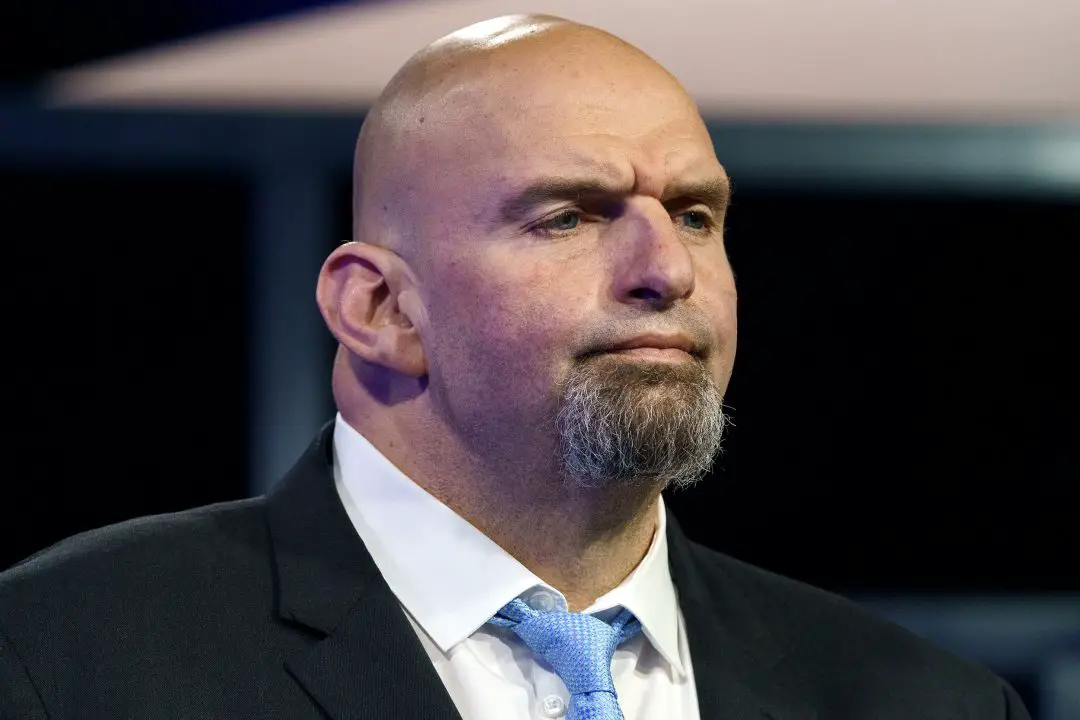
Senator John Fetterman has voiced concerns about the Democratic Party’s approach to male voters, attributing recent losses among this demographic to what he describes as condescending rhetoric and dismissive attitudes. His remarks come in the aftermath of the 2024 elections, which saw a notable shift in male voter support toward Republicans.
Fetterman argued that the party’s messaging often alienates working-class men by focusing on criticism rather than addressing their economic and social concerns. He emphasized that many male voters feel undervalued and misrepresented, particularly in policies and discussions surrounding labor, manufacturing, and public safety.
The senator also highlighted the importance of rebuilding trust and fostering dialogue with male voters, especially in traditionally Democratic strongholds. He pointed to the need for policies that directly address job creation, wage growth, and community stability—issues that resonate deeply with this group.
Critics within the party argue that Fetterman’s analysis oversimplifies broader electoral challenges, suggesting that the Democratic Party’s struggles extend beyond messaging to include organizational and policy shortcomings. Others, however, support his call for more inclusive and respectful communication.
Fetterman’s comments reflect a growing recognition within the party of the need to bridge divides with key voter groups. As Democrats strategize for future elections, addressing these concerns could prove pivotal in reclaiming support among male voters and reinforcing the party’s appeal across diverse demographics.