
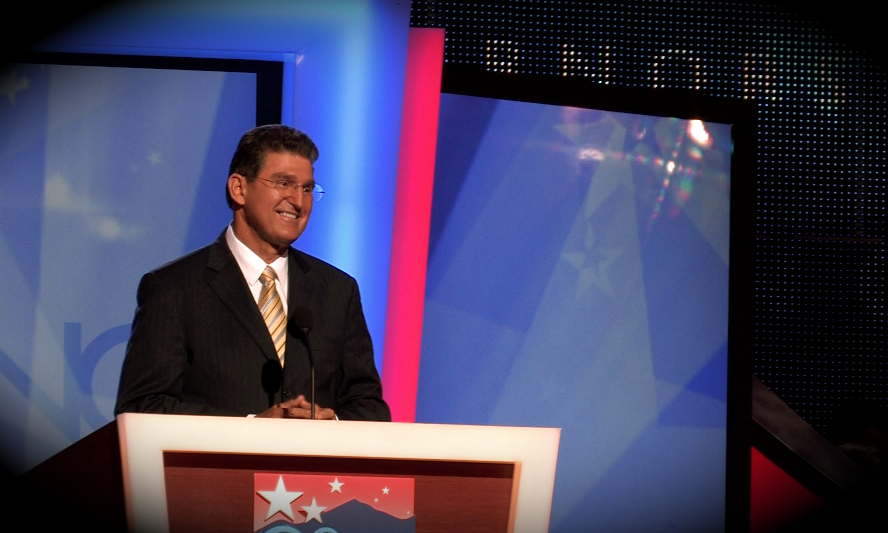
Senator Joe Manchin has openly criticized President Joe Biden’s recent decision to grant clemency to two convicted killers, describing the move as “horribly misguided” and deeply disrespectful to the victims’ families. Manchin’s condemnation highlights the growing divide within the Democratic Party over issues of criminal justice reform and clemency decisions.
The two individuals in question had been serving sentences for high-profile and violent crimes, and their clemency has sparked a wave of controversy. Supporters of the decision argue it aligns with broader goals of addressing systemic inequities in sentencing. However, opponents, including Manchin, view it as a failure to prioritize justice for victims.
“This decision sends the wrong message to those who have suffered irreparable harm and loss due to these heinous acts,” Manchin stated. He emphasized that leniency in such cases undermines accountability and the rule of law.
The Biden administration defended the clemency, stating that the individuals had shown evidence of rehabilitation and remorse over the years. Officials argued that the move was part of a broader effort to reevaluate sentences that may have been overly punitive.
Critics, however, remain unconvinced, with many echoing Manchin’s concerns. Victims’ advocacy groups have expressed outrage, calling the decision an insult to those who lost loved ones. “This is a betrayal of the families who deserve justice and closure,” one advocate said.
The controversy has reignited debates over the role of clemency in criminal justice and whether such decisions should weigh more heavily on public sentiment or the potential for reform. As the backlash continues, the administration faces mounting pressure to clarify its criteria for granting clemency in sensitive cases.
Manchin’s sharp rebuke underscores the political and ethical complexities surrounding the use of executive clemency, particularly in cases involving violent crimes. The fallout from this decision is likely to remain a focal point of debate as lawmakers and the public grapple with questions of justice and redemption.