
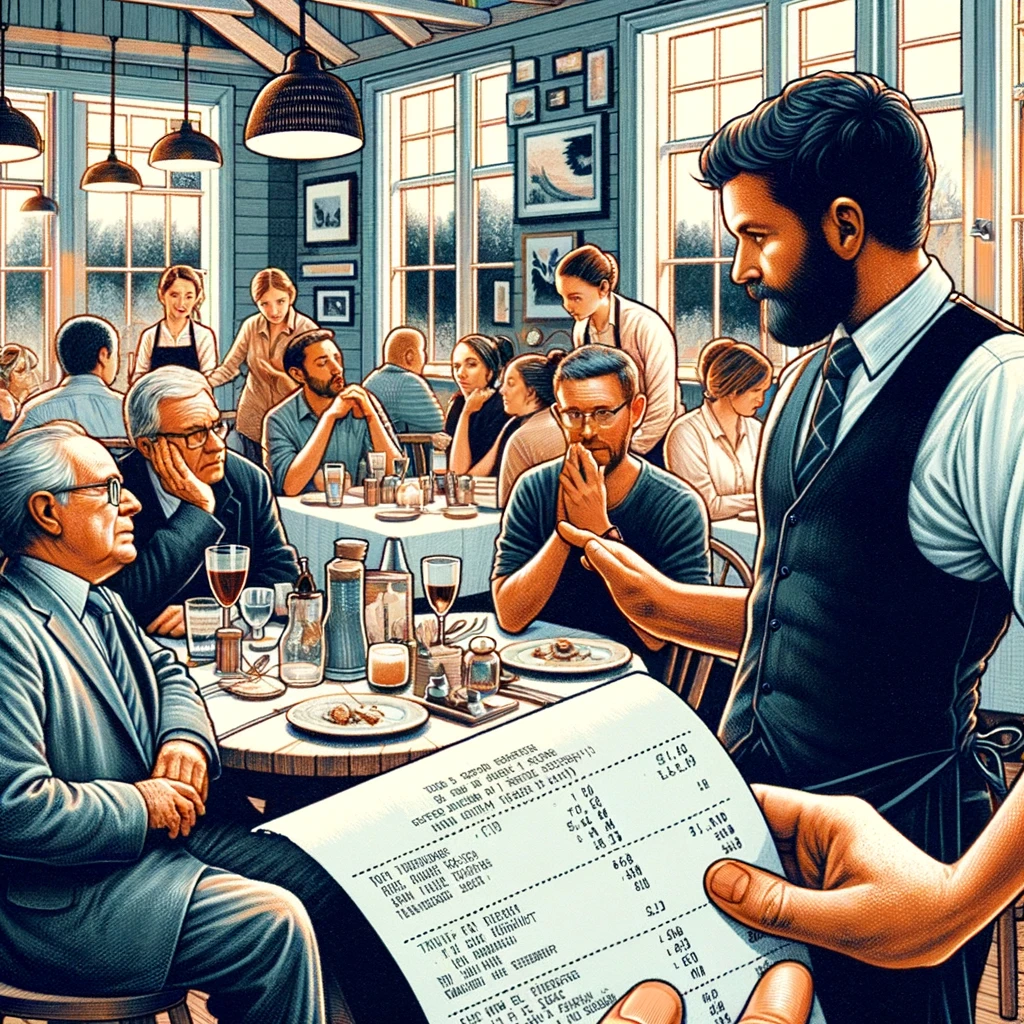
In a recent incident that has captured widespread attention, Linsey Boyd, a server at the Mason Jar Cafe in Michigan, was terminated from her position following the receipt of a $10,000 tip. The generous gratuity, which has sparked considerable discussion on social media and beyond, was presented to Boyd by a customer who wished to remain anonymous. Despite the initial joy and gratitude that accompanied the tip, the situation took an unexpected turn when Boyd was let go from her job.
The Mason Jar Cafe has since addressed the incident, stating that the decision to terminate Boyd was based on business considerations unrelated to the receipt of the tip. The establishment emphasized that their actions were driven by standard operational procedures and were not directly influenced by the event of the large tip.
This occurrence has led to a broader conversation about the policies surrounding tipping in the service industry and the implications for employees who receive unusually large gratuities. Boyd’s story, in particular, has highlighted the potential complexities and unforeseen consequences that can arise when service workers are given substantial amounts of money by patrons.
The community and public reaction to Boyd’s firing and the circumstances surrounding the $10,000 tip have been mixed, with many expressing support for Boyd and questioning the rationale behind the cafe’s decision. As the story continues to unfold, it serves as a focal point for discussions about employer-employee dynamics, the ethics of tipping, and the treatment of workers in the hospitality sector.
Boyd’s experience at the Mason Jar Cafe raises important questions about how businesses handle extraordinary situations like receiving a large tip and the impact such events can have on the individuals involved. As the debate continues, the incident remains a poignant example of the unexpected challenges that can emerge in the service industry.