
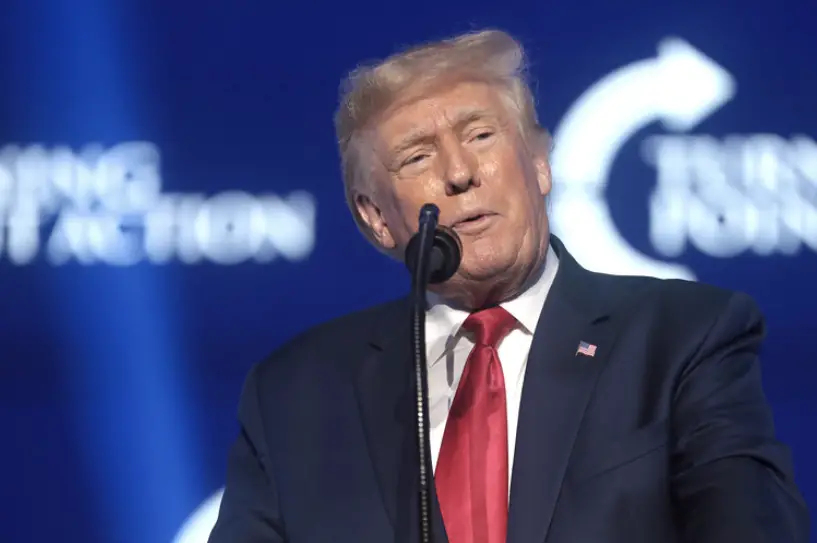
President Donald Trump formally signaled support this week for a bipartisan agreement that brings an end to the longest federal government shutdown in U.S. history, a 41-day standoff that pressured lawmakers, disrupted agencies, and delayed pay for hundreds of thousands of federal workers. While the deal secures short-term stability, the president made it clear the agreement is only a temporary pause before a new push to overhaul health care funding, particularly the enhanced subsidies tied to the Affordable Care Act.
The shutdown resolution funds government operations through January 30, 2026, and guarantees retroactive compensation for affected federal employees. It also clears the path for the Senate to conduct a vote on whether the existing ACA premium assistance program should continue. That vote, however, is not binding, a detail that has already invited political tension from both sides of the aisle.
Speaking from the Oval Office, Trump stressed that his acceptance of the deal does not change his broader health care vision. He reiterated his long-held stance that taxpayer dollars should go directly to Americans rather than insurance corporations, proposing a system that would shift federal spending power away from insurers and place it in the hands of individual citizens.
“We want to move toward a model where people get the money, not insurance conglomerates,” Trump said, signaling a new phase of negotiations aimed at rewriting how health benefits are funded at the federal level. He emphasized his belief that the current subsidy system disproportionately benefits insurance intermediaries instead of the patients it is intended to serve.
The Affordable Care Act’s premium tax credit expansion, put in place during the pandemic and renewed afterward, currently offsets insurance costs for millions of Americans. Without an extension by Congress, experts warn that insurance premiums could rise sharply in 2026, potentially leaving millions without affordable coverage.
The president’s stance has found support among key Republican lawmakers, particularly those who argue that the subsidy model drives up federal spending without sufficient accountability. Many in the GOP view this moment as a critical opportunity to push broader health reform while budget negotiations remain in national focus.
Democrats, however, have voiced strong opposition, framing Trump’s position as a threat to health care access. Several have warned that they may pull support from future funding measures if subsidy protections are not guaranteed, even as the immediate shutdown threat recedes.
With the government now moving back into full operation, political attention is rapidly shifting to what both parties view as the next major frontline: the future of federally funded health insurance support. The temporary truce has restored federal services, but the debate over how Americans pay for health care is gearing up to be one of the most contentious legislative fights in the months ahead.
The shutdown may be over, but the battle over the nation’s health care system is only beginning.