
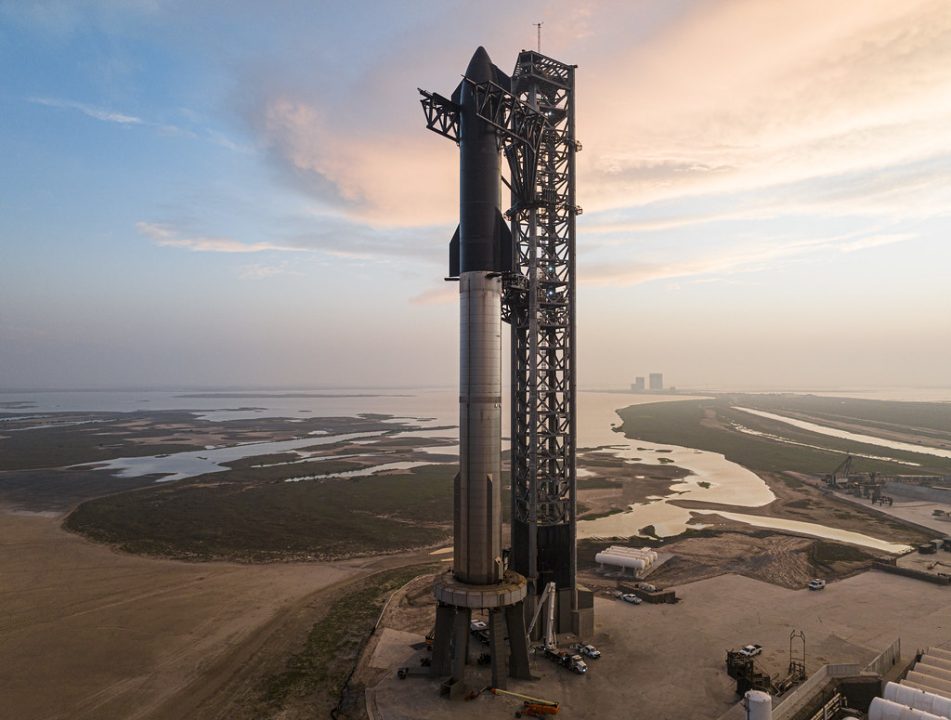
SpaceX’s latest Starship test flight marked another milestone in the company’s ambitious space program, successfully landing its booster while once again losing the upper stage. The launch, which was part of the ongoing effort to develop a fully reusable rocket system, demonstrated progress despite setbacks.
During the test, the Super Heavy booster executed a controlled descent and landed successfully, a key objective for reducing costs and enabling rapid reusability. However, the upper stage of the rocket failed to complete its mission, marking the latest challenge in SpaceX’s attempts to perfect its next-generation spacecraft.
Company officials acknowledged the loss of the upper stage but emphasized that data collected from the test would inform future improvements. SpaceX engineers are analyzing the cause of the failure, with the goal of refining Starship’s design and increasing reliability in upcoming flights.
The test marked the eighth flight in the Starship program, which is intended to support deep-space missions, including potential crewed journeys to Mars. Despite the setback, SpaceX remains committed to achieving full reusability, with CEO Elon Musk expressing confidence that future flights will overcome the remaining obstacles.