
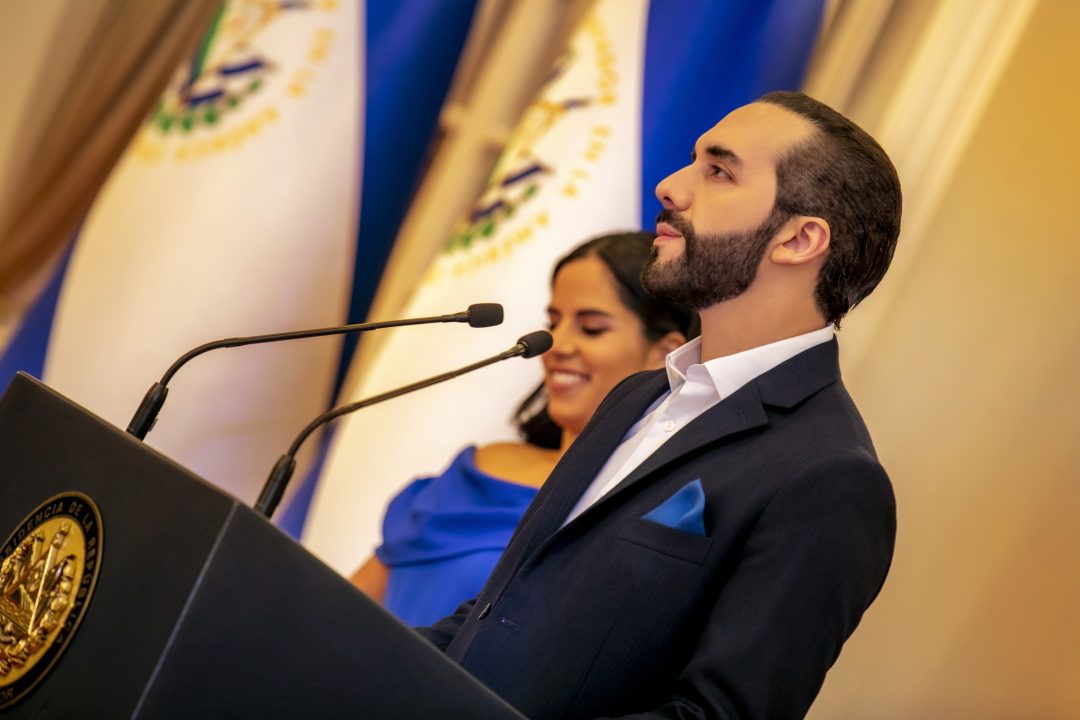
Nayib Bukele, the President of El Salvador, known for his self-proclaimed title as the “world’s coolest dictator,” is on the brink of securing another term in office, following significant efforts to transform El Salvador’s reputation from a crime-infested nation to one of security and order. His governance, characterized by strict anti-gang measures, has garnered widespread support within the country, with his approval ratings soaring to 91% among voters.
Despite El Salvador’s drastic reduction in crime rates, Bukele’s administration has not been without controversy, especially concerning his methods of consolidating power, including the replacement of constitutional court judges to bypass a ban on reelection. These actions have drawn criticism from international observers, including U.S. Representative Ilhan Omar, who called into question the U.S. relationship with El Salvador under Bukele’s leadership. Omar’s critique centered on the need for “free and fair elections without fear of repression,” a sentiment that was quickly rebutted by Bukele, who humorously stated he would be concerned if he had received Omar’s endorsement.
Bukele’s tenure has seen El Salvador implement harsh policies against gang activities, including the construction of a mega-prison capable of housing 40,000 inmates. These measures have significantly decreased the nation’s murder rates, positioning El Salvador potentially as one of the safest countries in the Americas, excluding Canada.
Vice President Felix Ulloa has emphasized El Salvador’s commitment to addressing gang violence, suggesting that similar initiatives could alleviate the migrant crisis at the U.S. southern border. The success of El Salvador’s approach has inspired neighboring countries to consider adopting similar strategies, despite concerns from civil rights advocates regarding the potential for human rights abuses.
As El Salvador prepares for the upcoming elections, the international community watches closely, balancing admiration for Bukele’s achievements in security with concerns over democratic principles and human rights.