
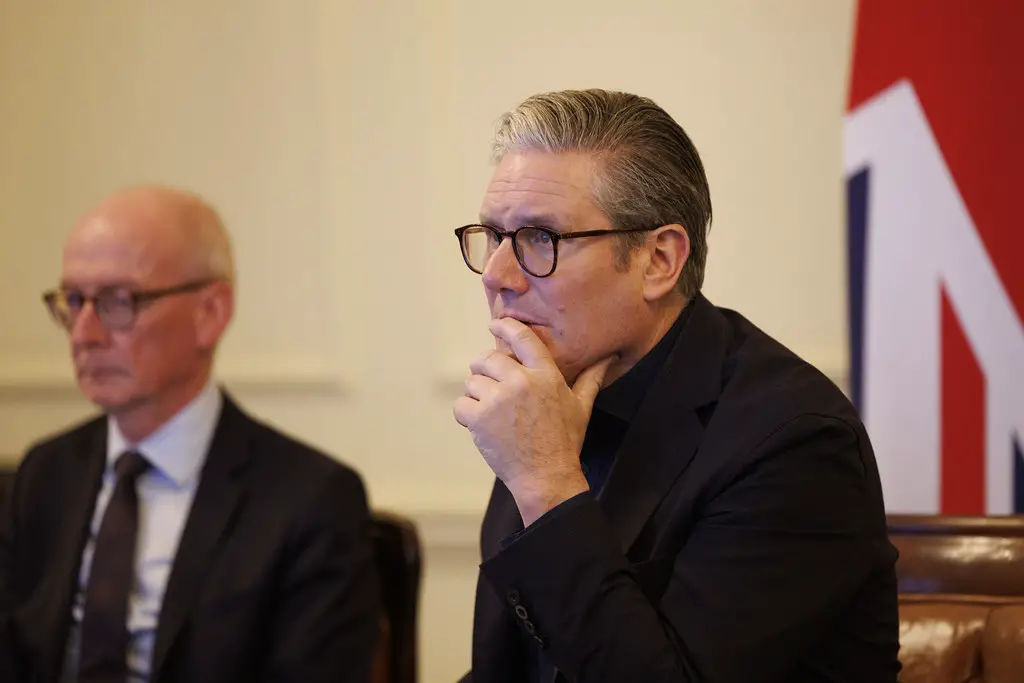
Prime Minister Keir Starmer’s newly announced agreement with the European Union has triggered fierce political debate, with critics accusing him of undermining post-Brexit sovereignty in favor of economic gains.
The deal includes a 12-year extension granting EU fishing vessels access to British waters, looser border checks on food imports and exports, and a new youth mobility program to allow temporary work opportunities for young people across the UK and EU. Starmer’s government claims the agreement could deliver billions in economic benefits over the next 15 years.
While supporters see the move as a practical step to rebuild trade ties and improve cooperation with European neighbors, opponents within the Conservative Party and Reform UK have labeled it a “Brexit betrayal.” They argue that aligning with EU standards and extending fishing rights represents a return to Brussels influence.
Starmer has pushed back against the criticism, insisting the UK will not rejoin the EU’s single market or customs union. He framed the agreement as a realistic way to strengthen economic and security partnerships without reversing the results of the Brexit referendum.
The new direction marks a significant shift in tone from past leadership, and with the nation divided, all eyes are on how these decisions will shape Britain’s future.